








What's Happening?
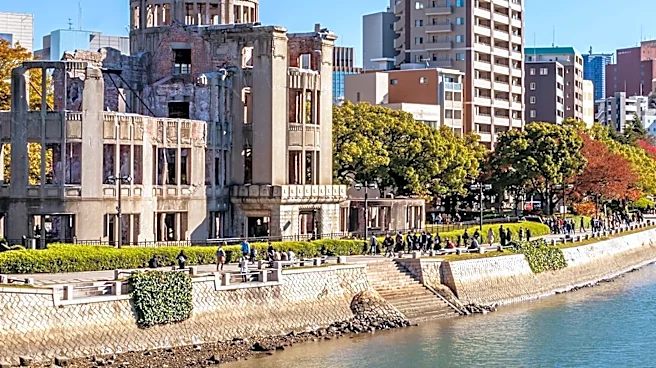
The Hiroshima Peace Memorial Park stands as a poignant reminder of the atomic bombing on August 6, 1945, and a symbol of the city's enduring plea for peace. The park features the Atomic Bomb Dome, the only structure near the hypocenter that remained standing
after the blast, its skeletal framework now an internationally recognized remnant of the devastation. The nearby Peace Memorial Museum houses a collection of damaged possessions, emotive photographs, and personal accounts, offering a stark contrast to the modern, bustling life of present-day Hiroshima. The museum aims to convey the reality of the atomic bomb's impact, which instantly raised core temperatures to millions of degrees, wiped out 60,000 buildings, and killed one-third of the population through heat, blast, and radiation. The park also includes the Children’s Peace Monument, inspired by Sadako Sasaki, a survivor who later died of leukemia, whose story of folding origami cranes has become a worldwide symbol of hope. The park's rivers and paths provide a space for reflection amidst the vibrant contemporary city.
Why It's Important?
The Hiroshima Peace Memorial Park is profoundly important as a global beacon for peace and a testament to the destructive power of nuclear weapons. Its preservation serves as a continuous educational tool, reminding visitors of the catastrophic human cost of war and the urgent need for international cooperation to prevent similar tragedies. For the United States, understanding and acknowledging such historical events is crucial for shaping foreign policy, promoting non-proliferation efforts, and fostering diplomatic relations. The park's message transcends national boundaries, encouraging dialogue on peace, reconciliation, and the ethical implications of advanced weaponry. It highlights the resilience of the human spirit and the capacity for recovery, as Hiroshima has transformed from a devastated city into a lively, modern metropolis. The park's existence underscores the ongoing global responsibility to learn from history and work towards a future free from nuclear conflict, influencing public discourse on defense, international security, and humanitarian concerns.
What's Next?
The Hiroshima Peace Memorial Park will continue to serve as a vital site for remembrance, education, and peace advocacy. Future initiatives may focus on expanding digital archives of survivor testimonies, enhancing interactive exhibits within the Peace Memorial Museum, and fostering international educational programs that bring students and policymakers to Hiroshima. There will likely be ongoing efforts to maintain the Atomic Bomb Dome and other historical structures, ensuring their preservation for future generations. The park will also continue to host peace ceremonies and events, particularly on the anniversary of the bombing, drawing global attention to the cause of nuclear disarmament. As the number of atomic bomb survivors (Hibakusha) dwindles, the park's role in preserving their stories and conveying their message of peace will become even more critical, potentially leading to new methods of storytelling and engagement to keep the memory alive and relevant in a changing world.
Beyond the Headlines
Beyond its immediate historical significance, the Hiroshima Peace Memorial Park embodies deeper ethical and cultural dimensions. It challenges visitors to confront the moral complexities of warfare and the long-term consequences of technological advancements. The park fosters a culture of remembrance that is not solely about mourning, but also about active peace-building and reconciliation. The story of Sadako Sasaki and the paper cranes, for instance, illustrates how individual acts of hope can resonate globally, inspiring movements for peace and compassion. The park also highlights the concept of 'negative heritage,' where sites of immense suffering are transformed into powerful symbols for positive change. This transformation encourages a global dialogue on collective responsibility, the pursuit of justice, and the importance of empathy across cultures. It serves as a constant reminder that while humanity possesses the capacity for immense destruction, it also holds the potential for profound healing, resilience, and the unwavering pursuit of a more peaceful world.