



What's Happening?
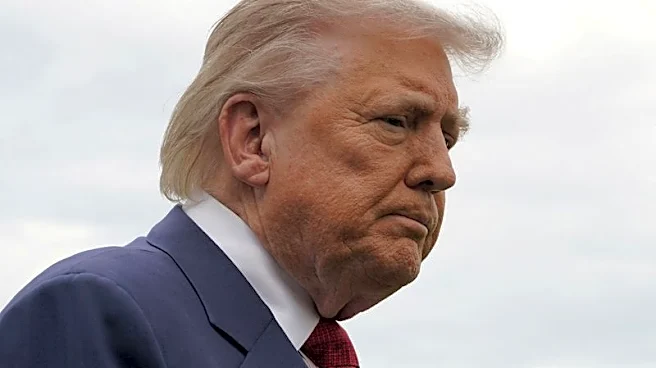
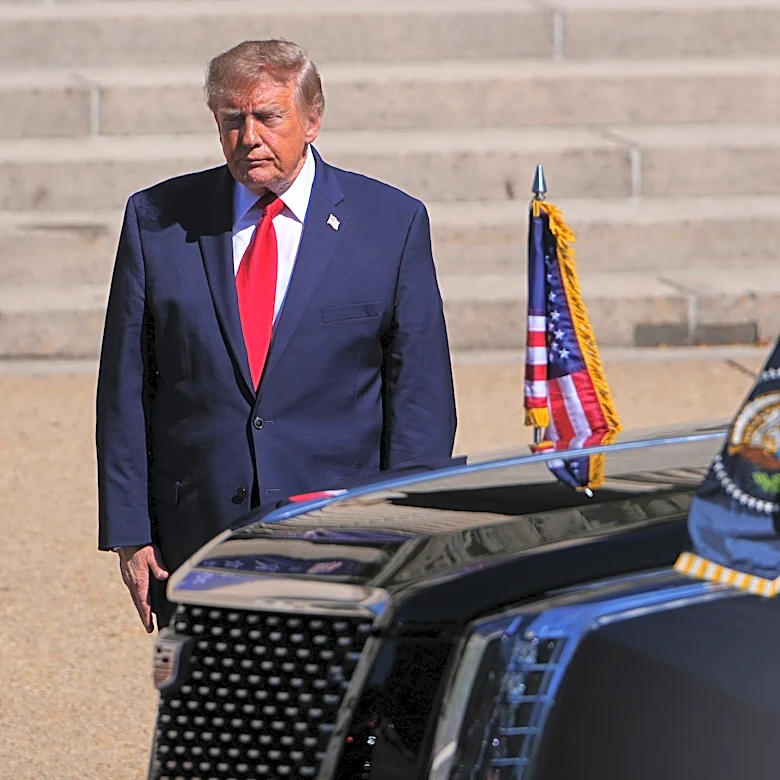
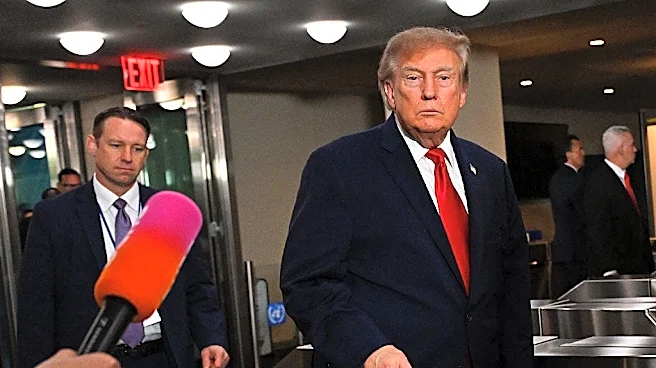
President Trump's net approval rating has fallen to a new record low of -23.0, with 60.4% disapproving and 37.4% approving of his performance, according to analyst Nate Silver's aggregate of U.S. national polls. This marks a further decline from -19.7
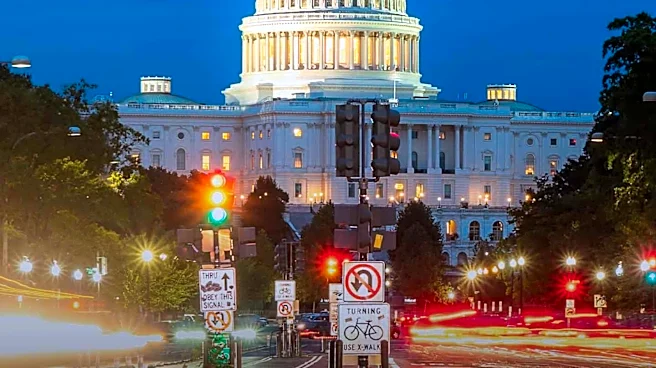
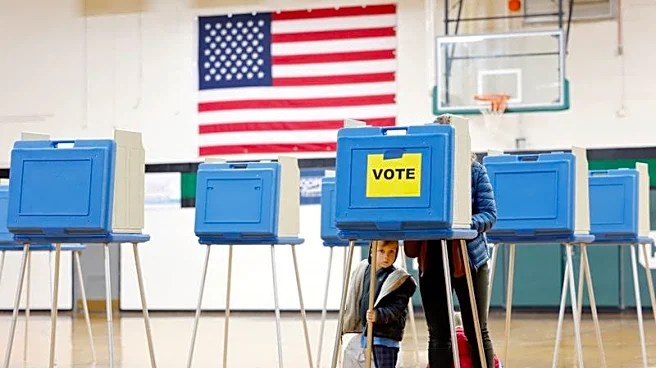
in mid-September. Historically, this approval level is lower than any past president at the same point in their term since Harry Truman. The decline in approval is also reflected in specific issues, with net approval on immigration at -13.0, trade at -28.3, the economy at -32.1, and inflation at -46.4. These figures have dropped by one to two points since mid-September. The upcoming November 3 midterm elections will see all 435 federal House of Representatives seats and 35 of the 100 Senate seats up for election. Democrats are currently favored to gain control of both chambers, with Silver's model giving them a 69% chance to win the Senate and a 91% chance to win the House. This forecast is influenced by a 9.1-point lead for Democrats in the generic ballot, which has increased from 7.4 points earlier in September.
Why It's Important?
The historically low approval ratings for President Trump could significantly impact the Republican Party's performance in the upcoming midterm elections. A president's approval rating often serves as a bellwether for their party's electoral success, and a negative rating can energize opposition voters while potentially dampening enthusiasm among the president's base. The current polling suggests a strong likelihood of Democrats gaining control of both the House and Senate, which would fundamentally shift the legislative landscape. Such a shift could lead to increased scrutiny of the administration's policies, potential legislative gridlock, and a reorientation of the national agenda. Issues like immigration, trade, the economy, and inflation, where President Trump's approval is particularly low, are likely to be central to the midterm campaigns. The outcome of these elections will determine the balance of power in Washington for the remainder of President Trump's term, influencing policy decisions on a wide range of domestic and international issues.
What's Next?
With less than 40 days until the November 3 midterm elections, the focus will intensify on campaign strategies and voter turnout. The Democratic Party will likely leverage President Trump's low approval ratings and public dissatisfaction with key issues to mobilize their base and appeal to independent voters. Conversely, Republicans will face the challenge of either distancing themselves from President Trump's less popular policies or rallying his core supporters. The economic situation, particularly petrol prices and inflation, will remain a critical factor. If economic conditions improve significantly before the midterms, it could potentially mitigate some of the negative sentiment towards the Republican Party. However, if the current trends persist or worsen, the Democratic Party is poised for substantial gains. The results of these elections will not only determine control of Congress but also set the stage for the political dynamics leading into the next presidential election cycle.
Beyond the Headlines
The sustained low approval ratings for President Trump, particularly on critical issues like the economy and inflation, highlight a broader public sentiment that could reshape political discourse beyond the immediate election cycle. The potential for a Democratic takeover of Congress could lead to a more confrontational political environment, with increased oversight and legislative challenges to the executive branch. This shift could also empower different factions within both parties, as Republicans may begin to re-evaluate their alignment with President Trump's agenda, and Democrats may face pressure to deliver on their campaign promises. The public's growing opposition to the Iran war, as indicated by Silver's data, suggests a potential shift in foreign policy priorities, regardless of which party controls Congress. Furthermore, the influence of economic factors, such as petrol prices, on voter sentiment underscores the enduring importance of kitchen-table issues in American politics, often overshadowing other policy debates.