





What's Happening?
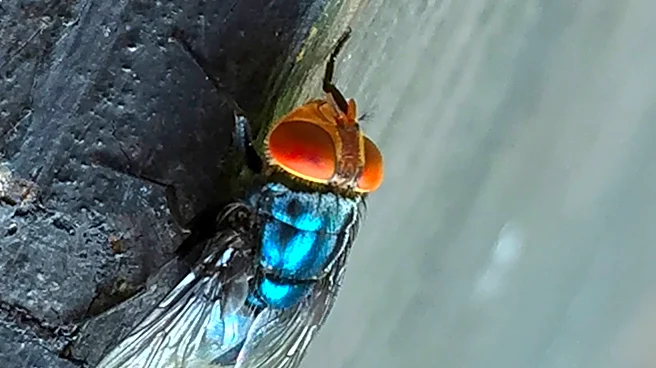
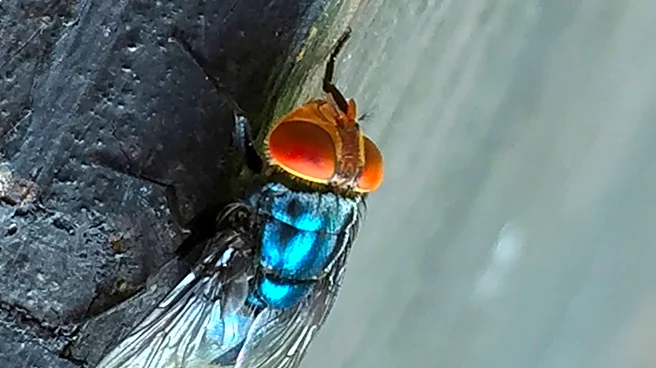
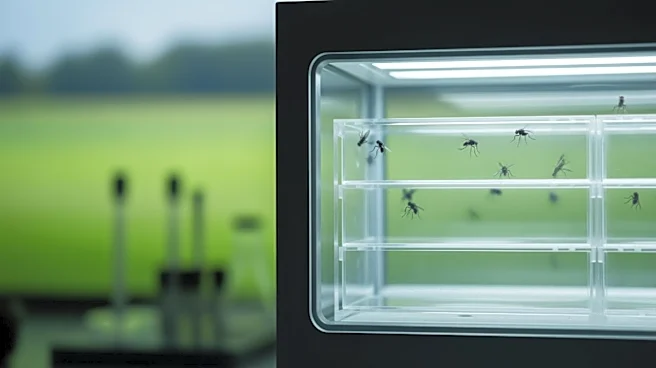
Texas Governor Greg Abbott has expressed urgency in accelerating the construction of a new fly-breeding facility aimed at combating the New World screwworm fly, a parasite threatening the U.S. cattle industry. The $750 million facility, located near Edinburg,
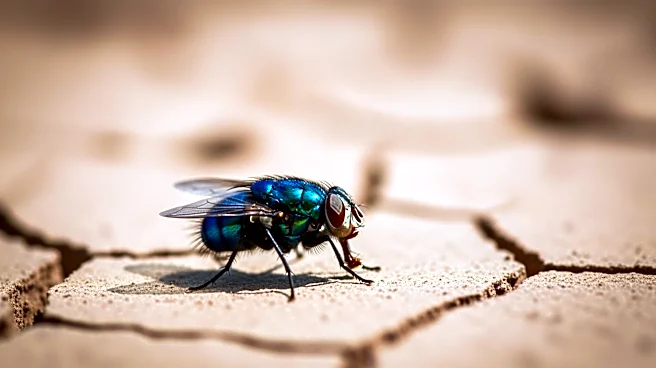
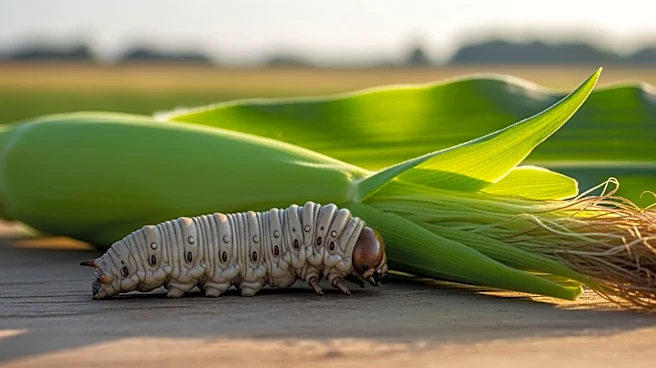
Texas, is part of a broader effort by the U.S. Department of Agriculture (USDA) to produce sterile flies that can help eradicate the parasite. The screwworm fly larvae, which feed on living tissue, pose a significant threat to livestock. The USDA confirmed recent infestations in Texas, marking the first cases since 1966. Governor Abbott has pledged state support to expedite the facility's construction, emphasizing the need for 24/7 work to prevent further spread of the parasite.
Why It's Important?
The New World screwworm fly poses a severe risk to the $113 billion U.S. cattle industry, as its larvae can kill livestock if left untreated. The urgency in building the fly-breeding facility reflects the potential economic impact on cattle ranchers and the broader agricultural sector. The USDA's strategy involves releasing sterile flies to disrupt the breeding cycle of the parasite, a method previously successful in eradicating the fly from the U.S. decades ago. The current infestation, coupled with record beef prices due to tight cattle supply, underscores the importance of swift action to protect the industry and prevent further economic strain.
What's Next?
The USDA plans to continue releasing sterile flies strategically across Texas, using scientific models to predict the parasite's movement. The new facility, once operational, will significantly increase the production of sterile flies, complementing efforts from a similar facility in Mexico. Governor Abbott's commitment to accelerating construction suggests that Texas will play a pivotal role in the eradication efforts. The USDA aims to have the facility operational before its planned November 2027 opening, with ongoing monitoring and response strategies in place to manage the parasite's spread.