




What's Happening?
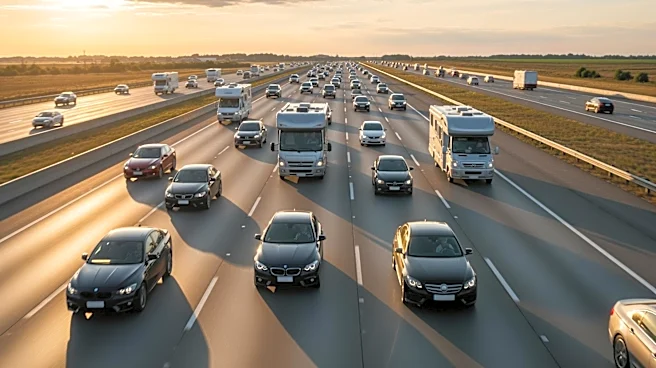
An estimated 45 million Americans are expected to travel at least 50 miles from home during the upcoming Memorial Day weekend. This significant movement of people marks one of the busiest travel periods in the United States, as individuals take advantage
of the long weekend to visit family, friends, and vacation destinations. The increase in travel is attributed to a combination of factors, including the easing of pandemic-related restrictions and a general desire to return to pre-pandemic activities. The travel surge is expected to impact various modes of transportation, with highways, airports, and public transit systems experiencing higher than usual traffic volumes.
Why It's Important?
The anticipated travel surge during Memorial Day weekend is a strong indicator of the public's confidence in returning to normalcy after the disruptions caused by the pandemic. This increase in travel activity is likely to have a positive impact on the travel and hospitality industries, which have been significantly affected over the past few years. Businesses such as hotels, restaurants, and tourist attractions stand to benefit from the influx of travelers, potentially leading to economic boosts in regions that rely heavily on tourism. Additionally, the travel patterns observed during this period could provide insights into consumer behavior and economic recovery trends.
What's Next?
As the Memorial Day weekend approaches, transportation agencies and local governments are preparing to manage the expected increase in traffic. Measures such as increased staffing at airports, enhanced traffic management on highways, and additional public transit services are being considered to accommodate the surge. Travelers are advised to plan ahead, allowing extra time for their journeys and staying informed about potential delays. The travel industry will be closely monitoring the weekend's outcomes to assess the effectiveness of their preparations and to make adjustments for future peak travel periods.