





What's Happening?
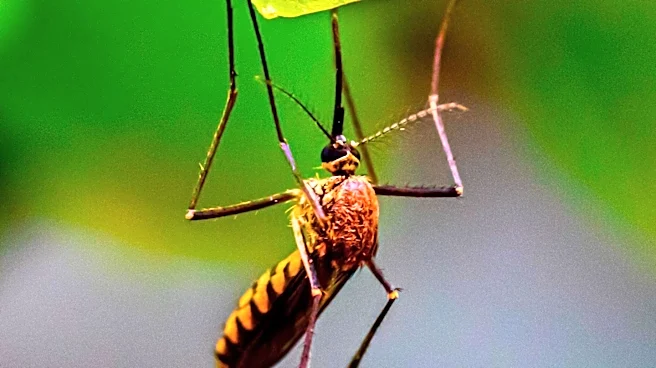
Anwar Hossain, a research assistant professor at the UNC Eshelman School of Pharmacy, is developing potential treatments for the mosquito-borne chikungunya virus. This initiative comes as the U.S. has reported over 100 travel-related cases of the virus this
year. Hossain, a medicinal chemist, is advancing two promising compounds discovered through a federally funded center, part of the Rapidly Emerging Antiviral Drug Development Initiative (READDI) based at UNC-Chapel Hill. His work involves redesigning these compounds at a molecular level to enhance their potency against chikungunya and related viruses, with the ultimate goal of gaining Food and Drug Administration approval. The Translational Academy at Eshelman Innovation is supporting Hossain, providing funding and entrepreneurial training to help transition his lab discoveries into viable treatments. This support enabled his promotion from postdoctoral researcher and secured critical seed funds for his research.
Why It's Important?
The development of a chikungunya treatment is critically important due to the lack of current specific therapies for the virus, which causes fever, headaches, and often debilitating muscle pain. With over 100 travel-related cases reported in the U.S. this year, there is a significant concern about the potential for infected travelers to spread the virus domestically. The absence of a cure means patients currently rely on symptomatic relief, hoping for recovery. Hossain's research could provide the world's first dedicated treatment, addressing an unmet medical need and potentially mitigating the public health impact of future outbreaks. The involvement of a federally funded center and the Translational Academy highlights a strategic effort to accelerate the translation of academic research into practical healthcare solutions, benefiting U.S. public health and potentially establishing a new standard for antiviral drug development.
What's Next?
Anwar Hossain's immediate next steps include further optimizing the promising chikungunya compounds for potency and preparing them for clinical trials. He is focusing on three main translational goals for one of the potential drugs: ensuring patentability, developing an alternative version, and formulating it for clinical use. A provisional patent application is already underway for a molecule he designed, which demonstrated significantly increased potency. The Translational Academy will continue to support Hossain, helping him navigate the complex commercialization path, including intellectual property considerations and market potential. The long-term objective is to secure FDA approval for these compounds, making them available as the world's first chikungunya treatment. This will involve continued research, funding acquisition, and collaboration with experts in medicinal chemistry, virology, law, and the pharmaceutical industry.
Beyond the Headlines
The pursuit of a chikungunya treatment by researchers like Anwar Hossain underscores a broader shift in how academic institutions are approaching drug discovery and development. The Eshelman Innovation's Translational Academy exemplifies a model that bridges the gap between basic scientific discovery and commercial application, fostering entrepreneurial leadership among scientists. This approach is crucial for addressing emerging infectious diseases, as it provides the necessary infrastructure and expertise to accelerate the development of new therapies. The increasing number of travel-related chikungunya cases in the U.S. also highlights the interconnectedness of global health and the constant threat of imported diseases, emphasizing the need for robust domestic research and development capabilities to protect public health. This initiative could set a precedent for how the U.S. responds to other rapidly emerging viral threats.