
What's Happening?
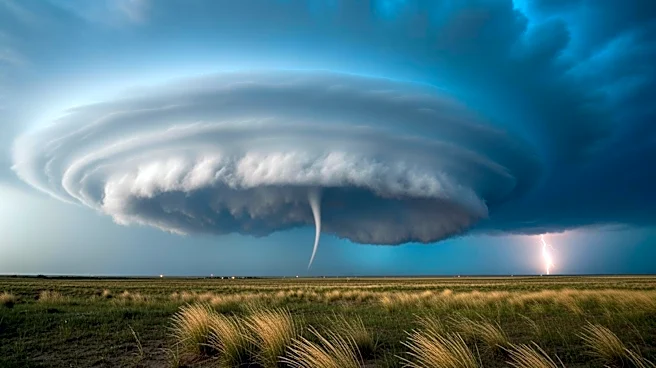
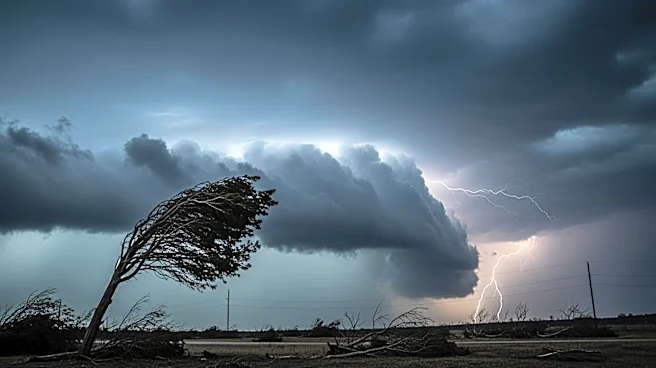
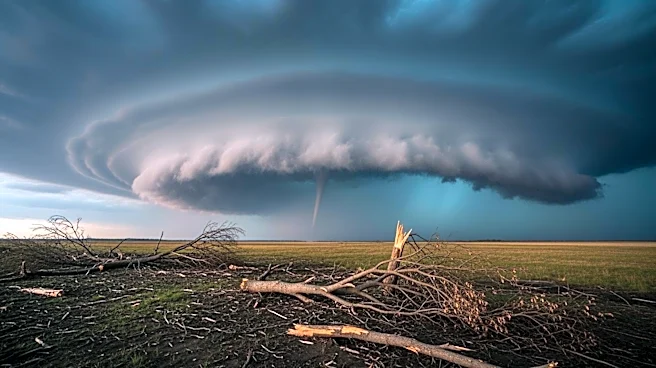
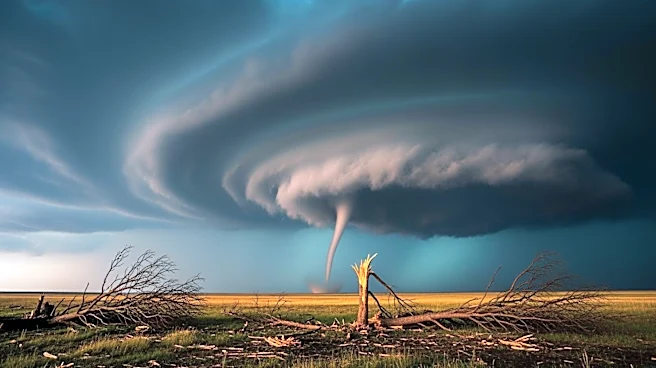
A series of tornadoes struck the Rochester area in Minnesota, causing significant damage to dozens of homes. The National Weather Service confirmed that the tornadoes reached wind speeds of up to 130 mph. The strongest tornado, classified as an EF-2,
affected the Stewartville area, damaging numerous properties. Another EF-2 tornado was reported east of Rochester in the Viola-Plainview area, with wind speeds reaching 125 mph. Additionally, an EF-1 tornado with winds of 100 mph was recorded in the Potsdam area. In total, around 30 homes in Marion Township and 22 homes in Stewartville were damaged, with some experiencing severe structural damage. The tornadoes were part of a larger storm system that also impacted southeastern Minnesota and Wisconsin, where an EF-3 tornado was confirmed in the Cream area.
Why It's Important?
The tornado outbreak highlights the vulnerability of communities in the Midwest to severe weather events. The damage to homes and infrastructure in the Rochester area underscores the need for effective emergency preparedness and response strategies. The economic impact on affected families and the local community could be significant, as rebuilding efforts will require substantial resources. Additionally, the event may prompt discussions on climate resilience and the importance of investing in infrastructure that can withstand extreme weather conditions. The broader implications for public safety and disaster management policies are also critical, as such events are expected to become more frequent and intense due to climate change.
What's Next?
Recovery and rebuilding efforts will be a priority for the affected communities in the coming weeks. Local authorities and emergency services will likely focus on providing support to displaced residents and assessing the full extent of the damage. Insurance claims and federal assistance may play a crucial role in the recovery process. Additionally, there may be increased advocacy for improved weather forecasting and early warning systems to better prepare for future tornado events. Community resilience initiatives and infrastructure improvements could also be on the agenda to mitigate the impact of similar disasters in the future.