








What's Happening?
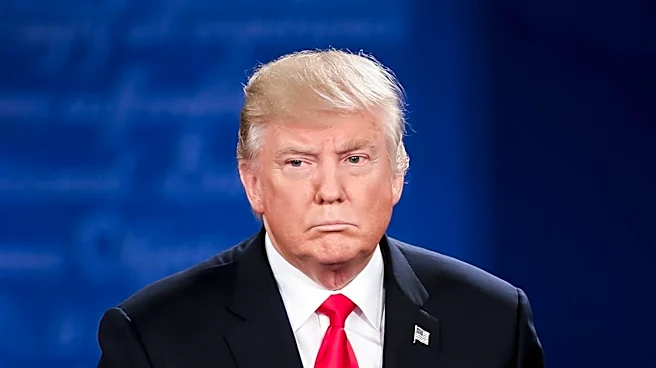
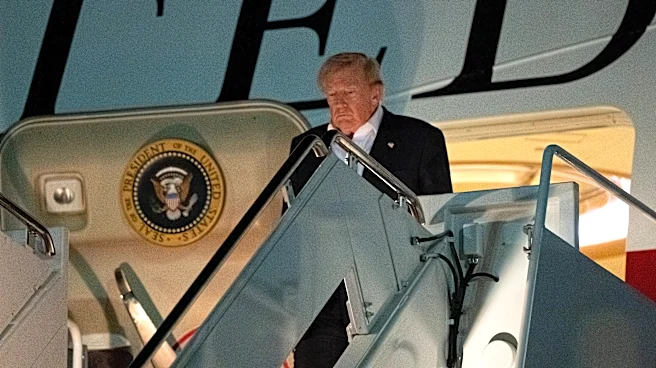
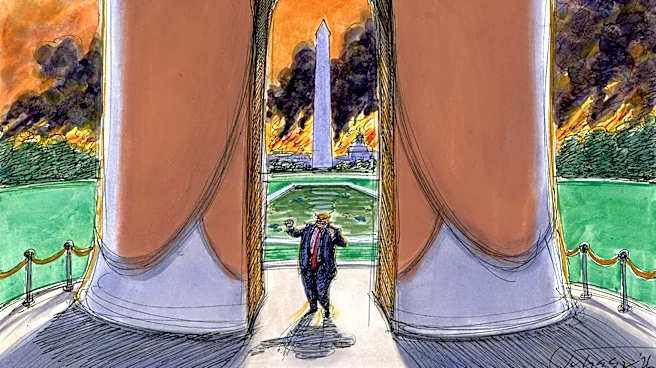
During President Trump's first term, there was significant discussion about the need to manage his unpredictable behavior, a concept referred to as the 'infantilization of the President.' Initially, this responsibility was managed internally within the White
House. However, as tensions with Europe have grown, this task has shifted to European leaders. They have adapted their interactions with President Trump by employing strategies such as flattery and avoidance of direct confrontation. This approach is seen as a way to maintain diplomatic relations and manage the complexities of international politics during his presidency.
Why It's Important?
The adaptation of European leaders to President Trump's behavior highlights the challenges in maintaining international alliances under unpredictable leadership. This situation underscores the importance of diplomatic skills and strategic communication in international relations. The need for European leaders to adjust their approach could impact the effectiveness of NATO and other international collaborations. It also reflects broader concerns about the stability and predictability of U.S. foreign policy, which can have significant implications for global security and economic partnerships.
What's Next?
As President Trump's term continues, European leaders may continue to refine their strategies to manage interactions with him. The upcoming NATO meetings and other international summits will be critical in observing how these dynamics play out. The potential for changes in U.S. leadership could also alter these interactions, depending on the outcome of future elections. Stakeholders in international relations will be closely monitoring these developments to assess their impact on global alliances and security strategies.