






What's Happening?
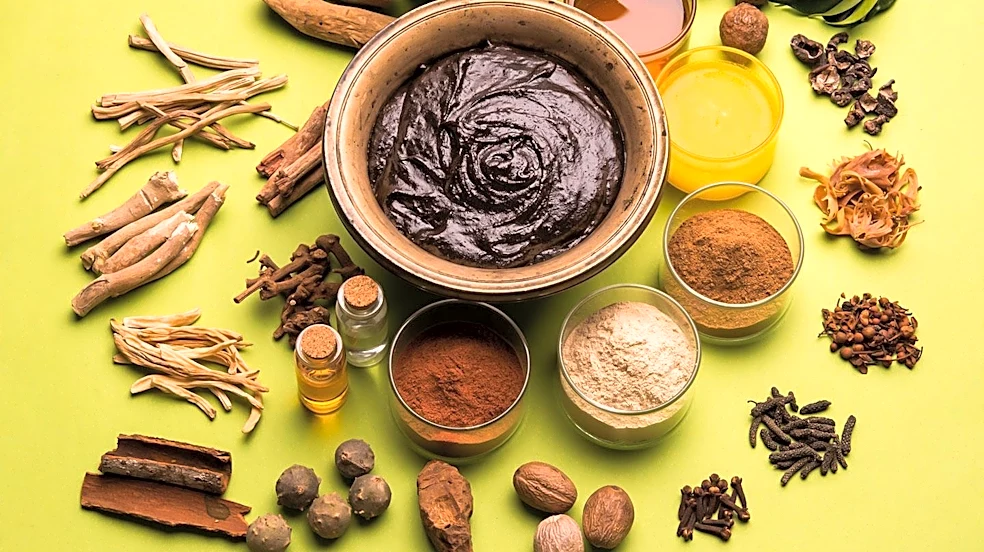
Ayurveda, an ancient Indian system of medicine, is increasingly gaining popularity in the United States as a complementary health practice. Originating over 3,000 years ago, Ayurveda emphasizes balancing the body's three doshas (Vata, Pitta, and Kapha)
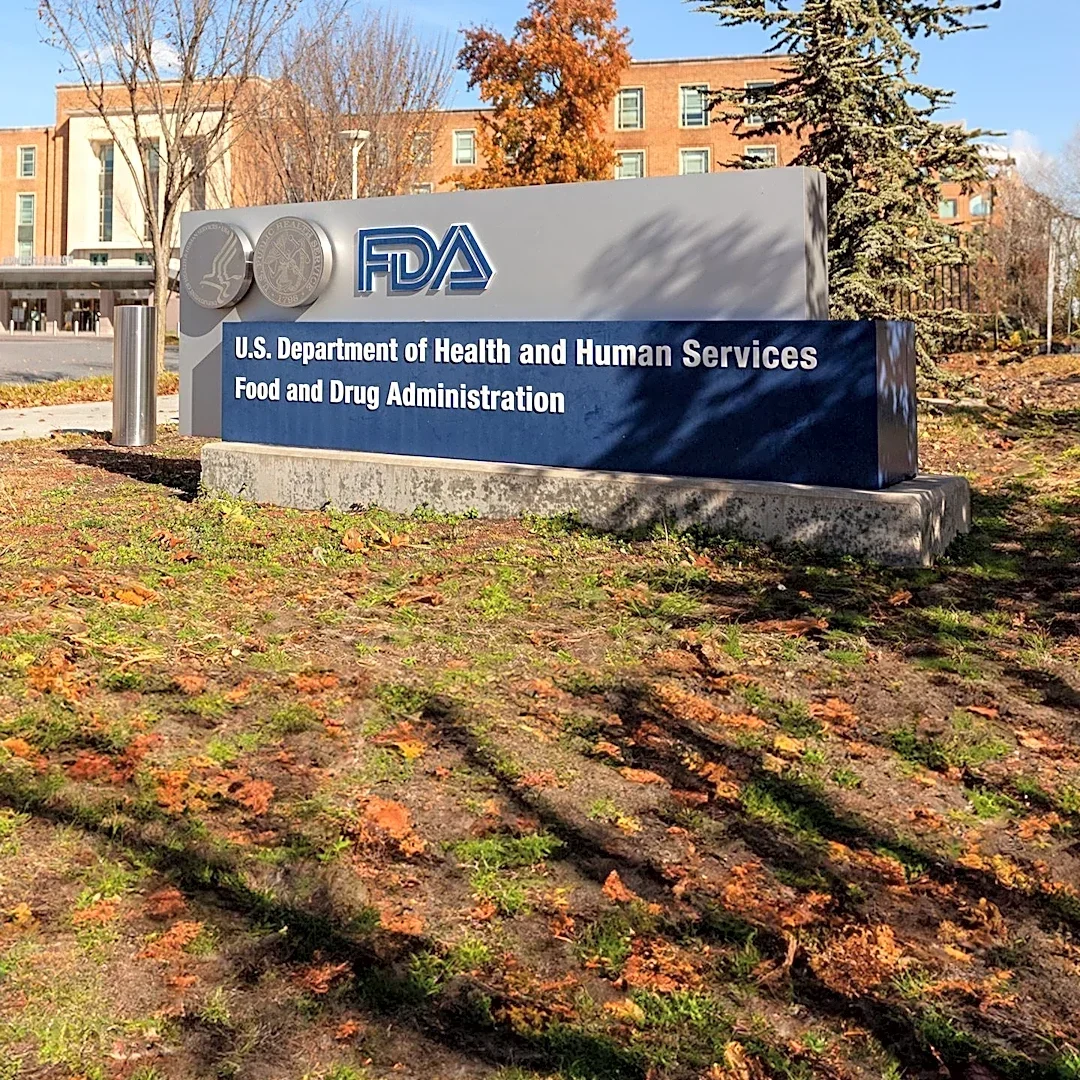
to promote health and prevent illness. While it is a well-established institutional system in India with recognized degrees and government oversight, its legal standing in the U.S. is significantly different. There is no federal license for Ayurvedic practice, and most states do not recognize it as an independent medical profession. Consequently, many practitioners in the U.S. hold other licenses, such as nursing or massage therapy, or operate as wellness educators under specific state laws that permit unlicensed complementary health practices. The National Ayurvedic Medical Association (NAMA) has stepped in to establish professional levels and offer certification examinations for graduates of approved schools, though these credentials are not government licenses. Furthermore, most Ayurvedic preparations sold in the U.S. are classified as dietary supplements, meaning they do not require pre-market approval for safety or effectiveness.
Why It's Important?
The growing interest in Ayurveda in the U.S. highlights a broader trend towards holistic and complementary health approaches, impacting the healthcare landscape and consumer choices. The lack of federal regulation and state-level recognition for Ayurvedic practitioners creates a complex environment for both providers and consumers. For consumers, it means navigating a system where the credentials of practitioners may vary widely and the safety and efficacy of products are not consistently vetted by regulatory bodies. This can lead to potential risks, especially concerning imported Ayurvedic products that have sometimes been found to contain heavy metals like lead, mercury, or arsenic. For the healthcare industry, the rise of Ayurveda presents both opportunities for integration into wellness programs and challenges in establishing clear standards and oversight. The current regulatory vacuum also means that consumers must exercise caution, particularly regarding potential interactions between Ayurvedic herbs and prescription medications, and should always consult with both their Ayurvedic practitioner and conventional doctor.
What's Next?
The future of Ayurveda in the U.S. will likely involve continued efforts by organizations like NAMA to professionalize the practice and advocate for greater recognition. There may be ongoing discussions at state levels regarding the regulation of complementary health practices, potentially leading to varied legal frameworks across different states. Consumers are expected to increasingly seek remote consultations with Ayurvedic doctors, often from practitioners trained in India, which further complicates oversight. The market for Ayurvedic dietary supplements will likely continue to grow, necessitating increased consumer awareness about product sourcing and potential contaminants. As more individuals integrate Ayurvedic principles into their wellness routines, there may be a push for more research into the efficacy and safety of these practices, potentially influencing future regulatory decisions and healthcare integration strategies.
Beyond the Headlines
The integration of Ayurveda into the U.S. health landscape touches upon deeper ethical and cultural dimensions. It represents a cross-cultural exchange of medical knowledge, challenging conventional Western medical paradigms and prompting a re-evaluation of what constitutes 'medicine' and 'healing.' The emphasis on individualized treatment, diet, and daily routines in Ayurveda resonates with a growing desire for personalized healthcare and preventative wellness. However, the lack of robust regulatory frameworks also raises ethical questions about consumer protection and the responsibility of practitioners. The reliance on dietary supplement regulations for Ayurvedic products highlights a broader issue in the U.S. regarding the oversight of natural health products. This ongoing development could trigger long-term shifts in how healthcare is perceived and practiced, potentially fostering a more integrated approach that combines ancient wisdom with modern scientific understanding, while also demanding more rigorous standards for safety and efficacy in complementary therapies.