








What's Happening?
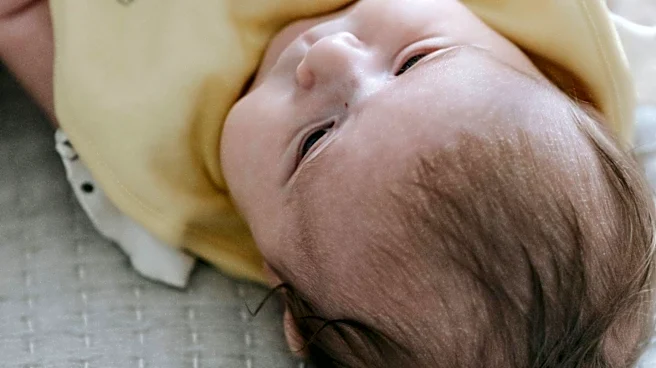
A recent study published in Scientific Reports has found that early skin-to-skin contact (SSC) between mothers and newborns can significantly reduce neonatal stress and support breastfeeding. The randomized trial involved mothers of healthy term newborns who
delivered vaginally, comparing those who received SSC with those who did not. While SSC was associated with lower stress levels and higher exclusive breastfeeding rates, it did not significantly impact bilirubin levels on the fifth day post-birth. The study highlights the benefits of SSC in enhancing mother-infant bonding and reducing stress during medical procedures like vitamin K administration.
Why It's Important?
The findings of this study are significant for postnatal care practices, emphasizing the role of SSC in improving newborn comfort and breastfeeding success. By reducing stress and promoting breastfeeding, SSC can contribute to better health outcomes for both mothers and infants. However, the lack of impact on bilirubin levels suggests that SSC alone may not be sufficient to address neonatal jaundice, a common condition in newborns. This underscores the need for comprehensive care strategies that include SSC as part of a broader approach to neonatal health.
What's Next?
Further research is needed to explore the relationship between SSC and bilirubin levels, as well as its long-term effects on neonatal health. Larger, multi-center studies could provide more conclusive evidence and help refine postnatal care guidelines. Healthcare providers may consider incorporating SSC into standard care practices to enhance newborn well-being and support breastfeeding. Ongoing education and training for healthcare professionals on the benefits of SSC could also improve its implementation in clinical settings.