






What's Happening?
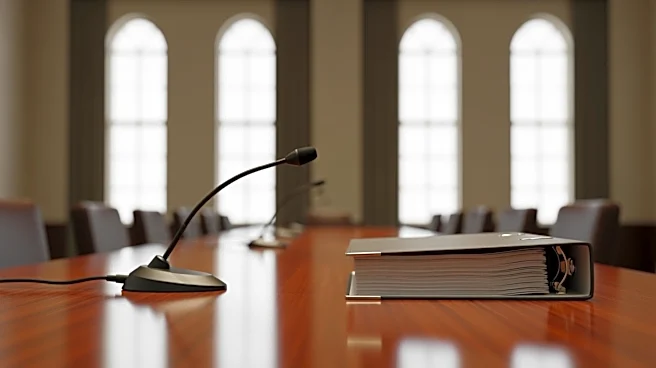
Paul Runko, Senior Director of K-12 Initiatives at Defending Education, testified before the U.S. House Education and Workforce Subcommittee, expressing concerns over equity policies in American public schools. Runko argued that these policies, which
aim to minimize merit-based opportunities, undermine academic excellence and harm students. He highlighted the reduction or elimination of gifted and talented programs and advanced coursework, which he believes slow the progress of high-achieving students without effectively supporting those who struggle academically. Runko cited examples from various school districts, including changes to admissions processes and grading practices that obscure student learning. He emphasized the importance of merit-based education in challenging students and providing honest assessments of their abilities.
Why It's Important?
The testimony underscores a significant debate in U.S. education policy regarding the balance between equity and excellence. Runko's critique of equity policies reflects concerns that such initiatives may lower academic standards and hinder the development of high-achieving students. This discussion is crucial as it impacts how educational resources are allocated and how student performance is measured. The outcome of this debate could influence future educational reforms and the approach to addressing disparities in student achievement across the country. Stakeholders, including educators, parents, and policymakers, are closely monitoring these discussions to ensure that educational practices support all students effectively.
What's Next?
Following Runko's testimony, the subcommittee may consider further hearings or discussions to explore the impact of equity policies on student performance and educational outcomes. There could be potential legislative actions aimed at revising or reinforcing merit-based educational practices. School districts might also reevaluate their policies to balance equity with the need to foster academic excellence. The ongoing debate is likely to continue influencing educational policy decisions at both local and national levels.