
What's Happening?
Chicago Public Schools (CPS) is set to transform into a sustainable community school district by 2050, as outlined by Stacy Davis Gates, president of the Chicago Teachers Union and the Illinois Federation
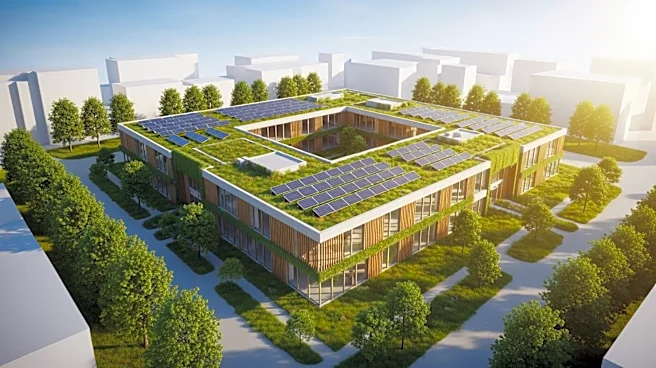
of Teachers. This vision is part of a broader initiative to integrate schools more deeply into their communities, providing not only education but also essential services such as healthcare, mental health support, and meals. The transformation is already underway, with the Board of Education having passed a five-year plan focused on equity and a four-year union contract aimed at creating schools that meet the diverse needs of students. Recent developments include the implementation of the Black Student Success Plan, reopening of libraries, installation of solar panels, and the establishment of sanctuary and LGBTQ+ safe schools protocols. The district is also expanding access to arts, music, and sports, and establishing dual language schools in predominantly Black communities.
Why It's Important?
The shift towards sustainable community schools in Chicago represents a significant change in how education is delivered and perceived. By embedding schools within the community and providing wraparound services, CPS aims to address broader social issues such as food deserts and healthcare gaps. This model not only enhances educational outcomes but also strengthens community ties and supports families. The initiative reflects a growing recognition of the role schools play as community anchors, capable of driving social and economic development. The success of this model could influence educational policy nationwide, as similar approaches are being adopted in cities like Los Angeles, New York, and Baltimore. The focus on equity and community involvement could lead to more inclusive and supportive educational environments, particularly for marginalized groups.
What's Next?
As CPS continues to implement its sustainable community school model, the district plans to triple the number of such schools in the next two years. This expansion will require ongoing collaboration with community organizations and stakeholders to ensure that the services provided meet the needs of students and families. Additionally, there is a push to reform the role of money in politics and establish a fairer tax system to support public education. These efforts aim to empower communities to make decisions and create policies that reflect their needs and values. The long-term goal is to create a more equitable and inclusive educational system that prepares students for success in a rapidly changing world.
Beyond the Headlines
The transformation of CPS into a sustainable community school district highlights the potential for education to drive social change. By integrating services and supports into the school environment, CPS is addressing systemic issues that have historically hindered student success. This approach challenges traditional notions of education and emphasizes the importance of community involvement and support. The model also raises questions about the role of public education in addressing broader societal challenges and the potential for schools to serve as catalysts for community development and empowerment.