

What's Happening?
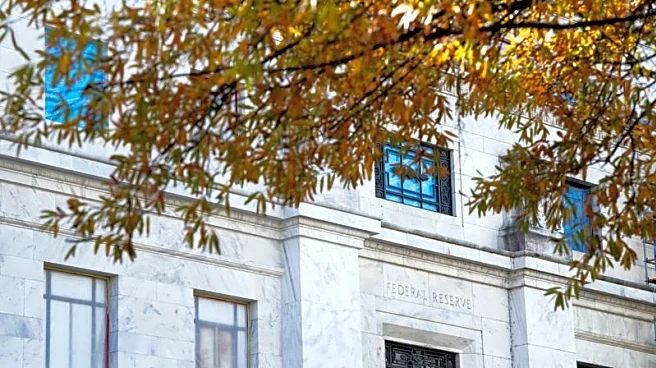
In a recent closed-door meeting with Senate Republicans, Treasury Secretary Scott Bessent suggested that the Senate Banking Committee should investigate Federal Reserve Chair Jerome Powell instead of the Justice Department. This proposal is seen as a strategic
move to persuade Senator Thom Tillis, R-N.C., to lift his blockade on Federal Reserve nominees. The blockade has been a point of contention, with Tillis insisting that he will only advance the nomination of former Fed Governor Kevin Warsh, tapped by President Trump to succeed Powell, if the DOJ drops its probe into Powell. The proposal aims to satisfy the demand for an investigation while potentially resolving the impasse over Fed nominations.
Why It's Important?
The suggestion to shift the investigation from the Justice Department to the Senate Banking Committee could have significant implications for the Federal Reserve's leadership and the broader U.S. economy. If successful, it might expedite the nomination process for Kevin Warsh, potentially altering the direction of U.S. monetary policy. The move also reflects ongoing political maneuvering within the Senate, highlighting the influence individual senators can wield over key appointments. The outcome of this proposal could impact investor confidence and economic stability, given the Federal Reserve's critical role in managing inflation and employment.
What's Next?
The next steps involve gauging Senator Tillis's response to the proposal and whether he will agree to lift his blockade. If the Senate Banking Committee takes on the investigation, it could lead to a shift in how such probes are conducted, potentially setting a precedent for future cases. The decision will also test the Senate's willingness to assert its investigative powers over the Justice Department. Stakeholders, including financial markets and political leaders, will be closely monitoring the situation for any developments that could affect economic policy and political dynamics.