








What's Happening?
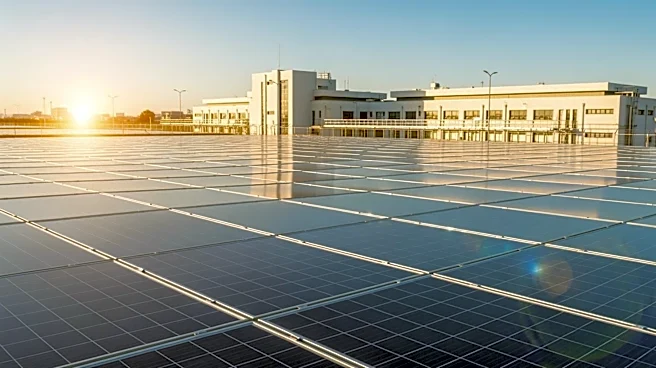
California has launched the Pastoria Solar Project, a significant renewable energy initiative aimed at powering the Edmonston Pumping Plant, one of the largest power users in the state. The project, developed by Calpine, includes a 105-megawatt solar
plant, an 80-megawatt battery storage bank, and an existing 750-megawatt natural gas-fired plant. This 'trifecta' of energy sources is designed to support California's long-term energy goals and help decarbonize the operations of the State Water Project by 2035. The project is part of a broader effort to meet rising energy demands driven by the growth of artificial intelligence data centers and to address the challenges posed by extreme heat and aging infrastructure.
Why It's Important?
The Pastoria Solar Project is crucial for California's clean energy transition, as it aims to reduce greenhouse gas emissions and improve air quality. By integrating solar, battery storage, and natural gas, the project enhances energy reliability and supports the state's ambitious decarbonization targets. This initiative also highlights the growing need for sustainable energy solutions to meet increasing demands from sectors like data centers. However, the project may lead to higher water costs for consumers, reflecting the broader economic implications of transitioning to renewable energy sources. The success of such projects could set a precedent for other public agencies across the U.S. to follow suit in their clean energy efforts.
What's Next?
As the Pastoria project progresses, California will continue to develop additional renewable energy projects, such as the upcoming Kyan solar project. These efforts are part of a larger strategy to bring 22,000 megawatts of new clean energy resources online by 2030. The state will also need to address potential cost impacts on water consumers and ensure that the transition to renewable energy remains economically viable. Stakeholders, including water agencies and the California Public Utility Commission, will play a critical role in monitoring and supporting these developments to achieve the state's clean energy goals.