





What's Happening?
The Rhode Island Department of Health (RIDOH) has issued public health advisories concerning Watchemoket Cove in East Providence and general tick and mosquito bite prevention. Following a recent sewage discharge event from the East Providence wastewater
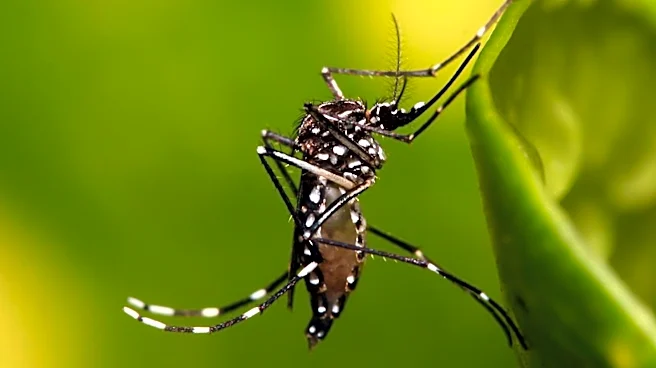
collection system, RIDOH is advising the public to avoid all direct contact with the water in Watchemoket Cove. This measure is crucial to prevent potential health risks associated with contaminated water. Additionally, with the onset of warmer weather, RIDOH is reminding residents across Rhode Island to take proactive steps to prevent tick and mosquito bites. These precautions are aimed at reducing the transmission of tick-borne diseases such as Lyme disease, anaplasmosis, and ehrlichiosis, as well as mosquito-borne illnesses. The department regularly issues such warnings to safeguard public health and encourages adherence to preventive guidelines.
Why It's Important?
These public health advisories are important for protecting the well-being of Rhode Island residents and visitors. The warning for Watchemoket Cove directly addresses an immediate environmental hazard caused by a sewage discharge, which can lead to serious waterborne illnesses if ignored. This highlights the critical role of public health agencies in responding to environmental incidents that impact community safety. The broader reminder about tick and mosquito bite prevention is vital for mitigating the spread of vector-borne diseases, which can have long-term health consequences for individuals and place a burden on the healthcare system. Effective public awareness campaigns and adherence to these guidelines are essential in preventing outbreaks and reducing the incidence of these diseases, thereby safeguarding public health and quality of life in the state.
What's Next?
For Watchemoket Cove, the Rhode Island Department of Health will likely continue to monitor water quality and provide updates on when it is safe for public contact. This will involve ongoing testing and assessment of the contamination levels. For tick and mosquito prevention, RIDOH will continue to disseminate information and recommendations as long as the weather conditions are conducive to vector activity. This may include further public service announcements, educational materials, and potentially community-based initiatives to control vector populations. Residents are expected to follow the recommended precautions, such as using insect repellent, wearing protective clothing, and checking for ticks after outdoor activities, until further notice from health authorities.
Beyond the Headlines
The advisories from RIDOH underscore the interconnectedness of environmental health and public health. The sewage discharge into Watchemoket Cove highlights potential vulnerabilities in urban infrastructure and the need for robust wastewater management systems to prevent environmental contamination. Such incidents can have broader ecological impacts, affecting local marine life and ecosystems, in addition to human health. The persistent threat of tick and mosquito-borne diseases reflects ongoing challenges posed by changing climate patterns, which can expand the geographical range and activity periods of disease vectors. These issues necessitate continuous public health surveillance, investment in infrastructure, and community engagement to foster a resilient and healthy environment for all residents.