






What's Happening?
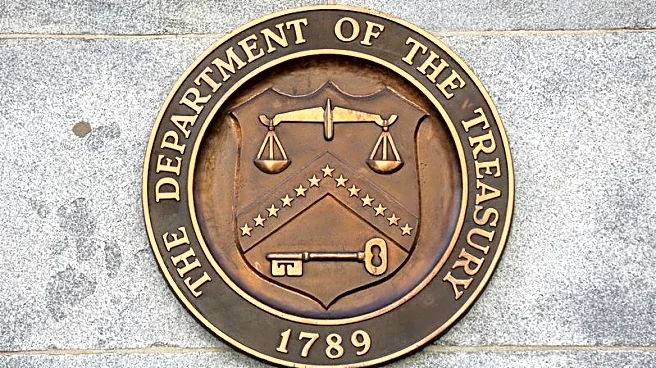
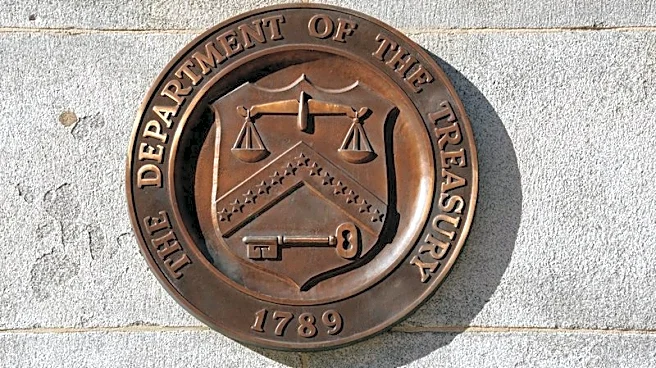
The U.S. government has imposed sanctions on three individuals and nine companies for facilitating Iran's oil shipments to China. This action, announced by the Treasury Department, targets entities that assist Iran's Islamic Revolutionary Guard Corps
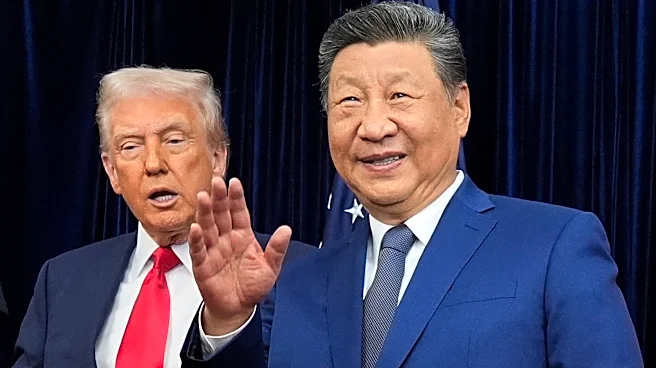
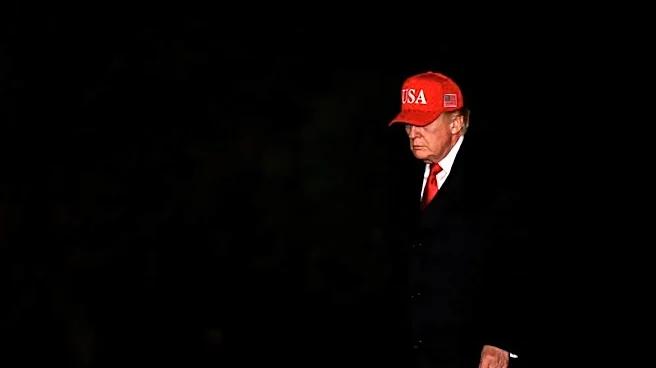
(IRGC) in selling and shipping oil using front companies. The sanctioned companies are based in Hong Kong, the United Arab Emirates, and Oman. This move is part of a broader strategy to cut off financial networks used by the Iranian regime to fund its military and nuclear activities. The sanctions come ahead of a planned meeting between President Trump and Chinese President Xi Jinping, where discussions are expected to focus on resolving tensions with Iran and reopening the Strait of Hormuz.
Why It's Important?
These sanctions are significant as they aim to disrupt Iran's ability to fund its military and nuclear programs, which the U.S. views as destabilizing to the global economy. By targeting the financial mechanisms of the IRGC, the U.S. seeks to limit Iran's influence in the region and its capacity to support proxy groups. The sanctions also underscore the U.S.'s commitment to enforcing economic pressure on Iran, despite ongoing diplomatic efforts. The involvement of companies in Hong Kong and the UAE highlights the international dimension of Iran's oil trade and the challenges in curbing it.
What's Next?
The U.S. is likely to continue its strategy of economic pressure on Iran, potentially expanding sanctions to include more entities involved in Iran's oil trade. The upcoming meeting between President Trump and President Xi could influence future U.S. actions, depending on China's response to U.S. requests for cooperation. Additionally, the U.S. State Department has offered a reward for information leading to the disruption of the IRGC's financial networks, indicating a continued focus on intelligence and enforcement efforts.