




What's Happening?
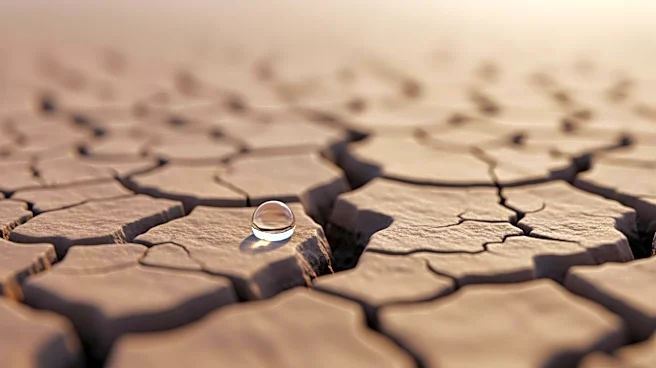
According to the latest U.S. Drought Monitor, approximately 95% of Colorado is experiencing some level of drought. Of this, about one-third of the state is classified under Extreme or Exceptional Drought, which are the two most severe categories. This
situation highlights the ongoing water scarcity issues in the region, affecting both urban and rural areas. The drought conditions have persisted despite efforts to manage water resources more effectively, and they pose significant challenges to agriculture, water supply, and the overall ecosystem in Colorado.
Why It's Important?
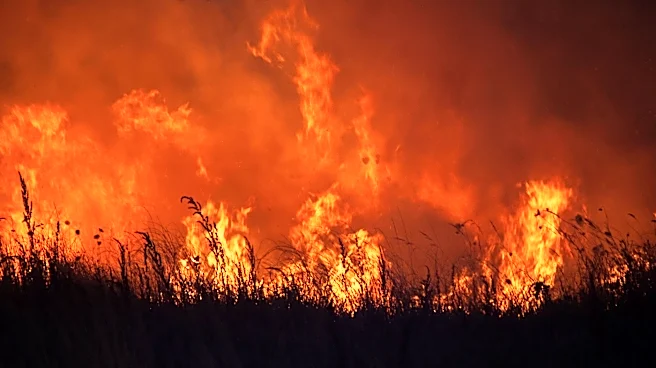
The drought in Colorado is a critical issue as it impacts various sectors, including agriculture, which is a significant part of the state's economy. Water scarcity can lead to reduced crop yields and increased costs for farmers, which may result in higher food prices. Additionally, the drought affects water supply for residential and industrial use, potentially leading to water restrictions and increased competition for this vital resource. The environmental impact is also significant, as prolonged drought can lead to increased wildfire risk and damage to natural habitats.
What's Next?
As the drought continues, state and local governments may need to implement stricter water conservation measures and explore alternative water sources. There could be increased investment in water infrastructure and technology to improve efficiency and reduce waste. Stakeholders, including policymakers, businesses, and communities, will need to collaborate on sustainable water management strategies to mitigate the long-term effects of drought.