



What's Happening?
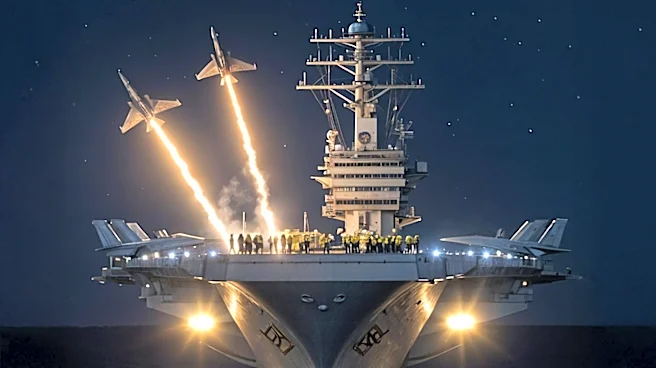
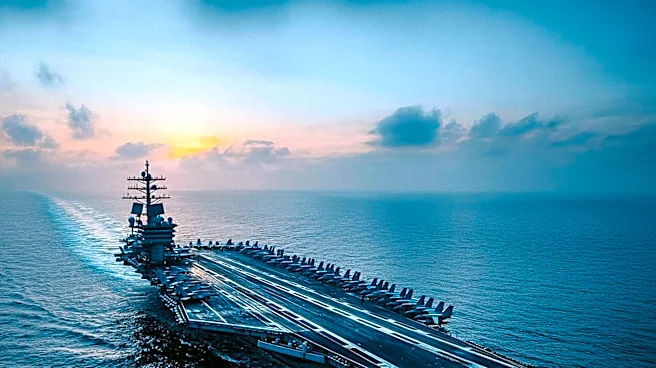
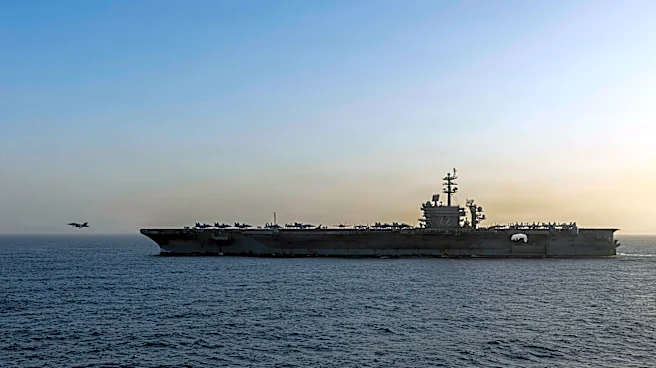
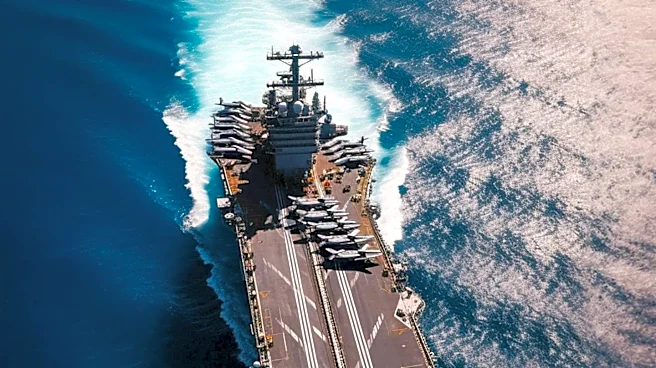
Democrats are demanding answers regarding the conditions aboard the USS Abraham Lincoln, which has been on an unusually long deployment for over eight months due to the war with Iran. Senator Richard Blumenthal, the top Democrat on the Senate Armed Services
Committee, sent a letter to Defense Secretary Pete Hegseth and acting Navy Secretary Hung Cao, expressing concerns about the well-being of service members. Reports include shortages of basic supplies, water contamination, plumbing issues, deteriorating mental health, deck safety concerns, and disruptions in mail delivery. Blumenthal's letter also highlighted a sailor attempting to go overboard, an incident confirmed by a U.S. official as being under investigation. While a Navy official stated no uptick in mental health issues, they acknowledged the strain of extended deployments. Defense Secretary Hegseth, however, pushed back on reports, claiming they were "completely misrepresented." The USS George Washington is slated to replace the Lincoln as part of a long-planned rotation.
Why It's Important?
This situation raises critical questions about the U.S. Navy's operational tempo and its impact on the health and morale of its personnel, particularly during prolonged deployments in conflict zones. The concerns voiced by Democrats, including Senator Blumenthal and Senator Chris Coons, underscore the importance of congressional oversight in ensuring the welfare of military service members. Reports of deteriorating conditions and mental health issues on a deployed aircraft carrier can significantly affect military readiness and retention, potentially leading to a future "readiness crisis." The debate also highlights the tension between the administration's foreign policy objectives, which necessitate extended deployments, and the resources allocated to support the troops. For military families, these extended and challenging deployments create immense strain, making the quality of life aboard ships a paramount concern.
What's Next?
Senator Blumenthal's letter requests detailed responses from Defense Secretary Pete Hegseth and acting Navy Secretary Hung Cao regarding the Navy's plan for sustaining carrier strike groups in the Middle East, the authorization for the Lincoln's deployment extensions, and an accounting of habitability and quality-of-life problems. He also seeks information on metrics used to address fatigue, morale, and mental health. The Navy is expected to provide a timeline for the USS George Washington to replace the Lincoln. Democrats may continue to press for a bipartisan congressional delegation to visit the USS Lincoln and investigate the conditions firsthand. The controversy could also influence ongoing debates about defense spending and the allocation of resources to support military personnel, especially as the National Defense Authorization Act is considered.
Beyond the Headlines
The challenges faced by the USS Abraham Lincoln crew illuminate a broader, systemic issue within the U.S. military: the long-term human cost of sustained global operations and the strain on an all-volunteer force. The reports of mental health struggles and basic supply shortages point to the ethical responsibility of the nation to adequately support its service members, not just in combat but in their daily living conditions. This situation could trigger a re-evaluation of deployment policies, force generation models, and the psychological support systems available to military personnel. It also highlights the political dimension of military readiness, where congressional funding and oversight play a crucial role in preventing a "readiness crisis." The debate extends to how the nation balances its strategic interests with the well-being of those who serve, and the potential for long-term impacts on military families and recruitment efforts.