



What's Happening?
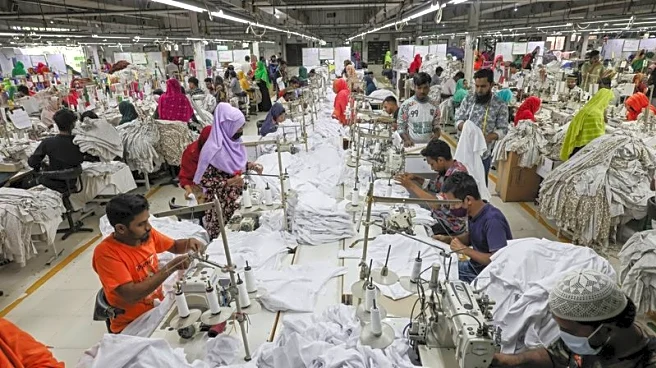
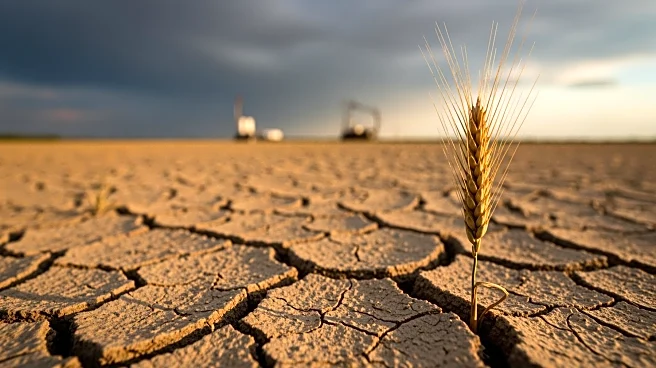
The current food production system is under significant strain due to climate volatility, rising input costs, labor constraints, and erosion of public trust. According to a recent Food System Barometer report, these pressures are affecting day-to-day
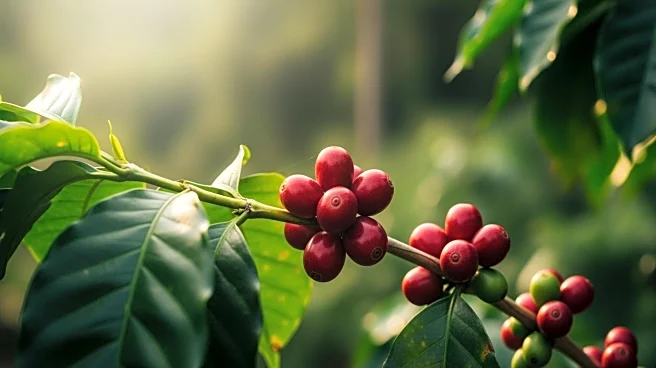
decisions across the food economy. The system, traditionally optimized for throughput and efficiency, is now being challenged to deliver resilience, nutritional quality, environmental protection, and social value. This shift is creating a tension between the existing extractive logic of the food system and the growing expectations for regeneration and long-term value creation. Farmers are being asked to adopt sustainable practices without stable price signals or coherent policy alignment, leading to a market failure scenario.
Why It's Important?
The strain on the food production system has significant implications for public health, economic stability, and environmental sustainability. As supply fragility becomes a bottleneck, it affects not only business continuity but also the availability and nutritional quality of food, impacting public health and prosperity. The need for a resilient supply chain is critical to achieving health, climate, and sustainability targets. Without secure and resilient supply, ambitions for healthier and more sustainable diets may collapse. The report highlights the necessity for systemic readiness, including market incentives, policy direction, and risk-sharing mechanisms, to support sustainable practices and ensure long-term food security.
What's Next?
The transition to a more sustainable food system requires systemic changes, including clearer incentives, stronger coordination, and confidence in long-term direction. The report suggests that while momentum is building, progress remains fragile without deeper structural changes. Agricultural support systems, long-term demand signals, and policy implementation need to align with sustainability goals. Trust, fairness, and readiness are identified as key conditions for a lasting food system. The next phase involves adapting the system to support ongoing progress and scaling successful models of regenerative agriculture.