





What's Happening?
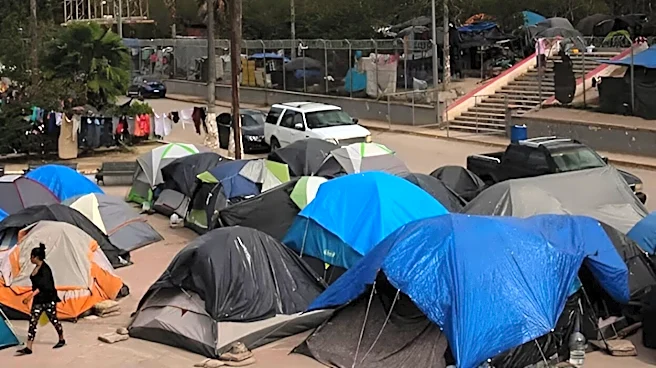
Officials at UMOM, a Phoenix shelter, have expanded their heat relief operations to 24/7 due to a significant increase in demand for cool and safe sleeping spaces. The shelter has resorted to pitching tents indoors to accommodate the influx of individuals
seeking refuge from the heat. This operational expansion highlights the growing need for immediate and continuous support for vulnerable populations in Phoenix, particularly during periods of extreme heat. The decision to operate around the clock underscores the severity of the situation and the shelter's commitment to addressing the critical needs of the community. The increased demand suggests a broader challenge in providing adequate resources for those experiencing homelessness or lacking access to climate-controlled environments.
Why It's Important?
The expansion of UMOM's heat relief operations is important as it directly addresses a critical public health and humanitarian issue in Phoenix. Extreme heat poses significant health risks, including heatstroke and dehydration, particularly for individuals without stable housing or access to air conditioning. The increased demand for shelter services indicates a growing vulnerability within the population, potentially exacerbated by economic factors, housing shortages, or climate change impacts. This situation places a strain on local social services and highlights the need for more comprehensive and sustainable solutions to support at-risk communities. The proactive measures taken by UMOM are crucial for preventing heat-related illnesses and fatalities, demonstrating the vital role of non-profit organizations in community welfare.
What's Next?
In the immediate future, UMOM will continue to provide 24/7 heat relief, likely adapting its indoor tent capacity as needed to meet ongoing demand. Other local shelters and community organizations may face similar pressures, potentially leading to calls for increased public funding or collaborative efforts to expand heat relief services across Phoenix. Discussions may arise regarding long-term strategies to address homelessness and provide more permanent, climate-resilient housing solutions. Public awareness campaigns about heat safety and available resources could also be intensified. The sustained need for such services may prompt local government officials to review and potentially revise existing policies related to emergency shelter and support for vulnerable populations during extreme weather events.
Beyond the Headlines
The situation at UMOM reflects a deeper societal challenge related to climate change and its disproportionate impact on vulnerable populations. As temperatures continue to rise, the demand for heat relief services is likely to increase, placing greater strain on urban infrastructure and social support systems. This also brings to light the ethical considerations surrounding access to basic necessities like shelter and safety from extreme weather. The reliance on temporary solutions like indoor tents, while necessary, underscores the urgent need for systemic changes in housing policy, urban planning, and public health initiatives to create more resilient communities. The long-term implications could include increased public health costs, greater social inequality, and a re-evaluation of urban development strategies in hot climates.