







What's Happening?
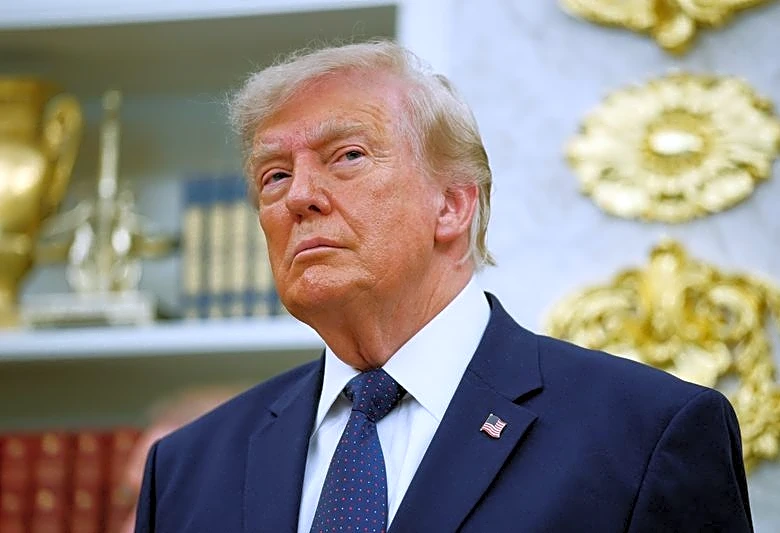
One year after President Trump signed legislation ending federal support for public radio and television, public media organizations are navigating a new financial landscape. The loss of funding led to significant job cuts, with over 500 public media workers
affected. Despite these challenges, many stations have seen an increase in donations from listeners and viewers, driven by a sense of urgency and community support. Public media organizations are adapting by restructuring their operations and exploring new formats, such as podcasts, to continue delivering content.
Why It's Important?
The withdrawal of federal funding has forced public media to become more reliant on community support, highlighting the importance of public engagement in sustaining these institutions. This shift has implications for the future of public media, as organizations must innovate and find new ways to connect with audiences. The situation also raises questions about the sustainability of public media without federal support and the potential impact on the diversity and accessibility of content. The response from the public demonstrates a strong commitment to preserving public media, but the long-term viability of this model remains uncertain.
What's Next?
Public media organizations will continue to adapt to the new funding environment, exploring alternative revenue streams and partnerships to ensure their survival. The legal landscape surrounding the funding cuts is still evolving, with some stations challenging the decision in court. The outcome of these legal battles could influence future funding policies and the role of public media in the U.S. As stations adjust to these changes, they will need to balance financial sustainability with their mission to provide diverse and accessible content to the public.