



What's Happening?
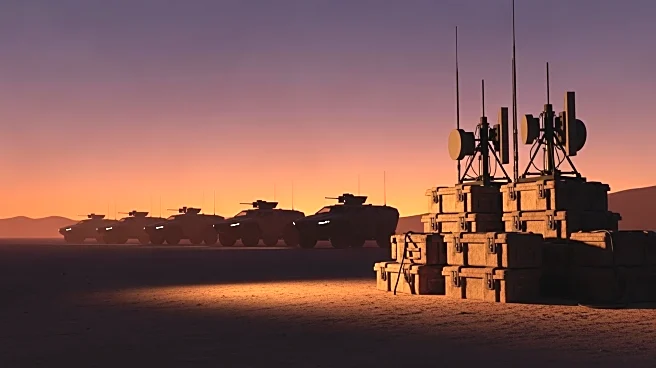
The United States has increased its military presence in the Middle East following inconclusive talks with Iran regarding its nuclear program. President Trump has set a deadline for reaching an agreement, and with no deal in sight, the U.S. has moved
additional military assets, including F-35 aircraft and naval forces, into the region. This buildup is one of the largest since the 2003 Iraq invasion, signaling a potential readiness for military action. The talks in Geneva failed to produce a resolution, with Iran rejecting U.S. demands to dismantle key nuclear sites.
Why It's Important?
The military buildup underscores the high stakes involved in the U.S.-Iran nuclear negotiations. A potential conflict could have far-reaching consequences for global security and the economy, particularly affecting oil prices and regional stability. The U.S. aims to prevent Iran from acquiring nuclear weapons, a goal shared by its allies, including Israel. However, military action could lead to significant geopolitical repercussions, including strained relations with other global powers and increased anti-American sentiment in the region.
What's Next?
The U.S. and Iran are expected to continue negotiations, with technical talks scheduled in Vienna. The U.S. is pushing for a comprehensive agreement that addresses not only Iran's nuclear program but also its ballistic missile capabilities. The outcome of these talks will be crucial in determining whether diplomatic efforts can avert military conflict. Meanwhile, the U.S. military remains on high alert, prepared to act if necessary.