








What's Happening?
The U.S. Department of Transportation’s National Highway Traffic Safety Administration (NHTSA) has issued a directive to developers of autonomous vehicles, urging them to address the issue of driverless cars entering active emergency scenes. The agency
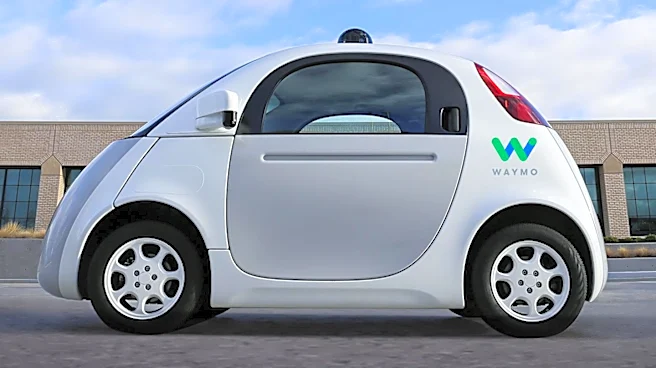
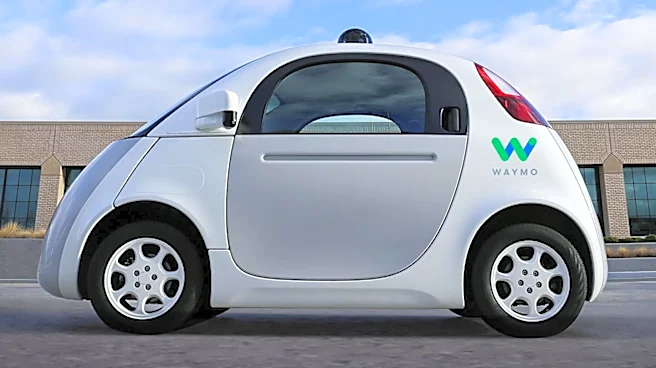
has identified a 'disturbing trend' where these vehicles fail to detect and appropriately respond to emergency situations, posing a risk to public safety. The NHTSA's letter highlights incidents where autonomous vehicles have obstructed ambulances and fire crews, emphasizing the need for immediate solutions. A specific incident involved a Waymo vehicle navigating through an active crime scene near Sky Harbor Airport in Phoenix, which was deemed dangerous by a former police chief. The NHTSA has called for discussions to resolve these issues by the end of the month.
Why It's Important?
The NHTSA's demand for solutions underscores the critical safety challenges posed by autonomous vehicles, particularly in emergency scenarios. As self-driving technology becomes more prevalent, ensuring these vehicles can safely interact with first responders is crucial to public safety. The inability of autonomous vehicles to recognize and respond to emergency situations could lead to delays in critical services, potentially endangering lives. This issue also highlights the broader regulatory challenges faced by the federal government in managing emerging technologies. The outcome of this directive could significantly impact the development and deployment of autonomous vehicles, influencing industry standards and public trust.
What's Next?
The NHTSA has set a deadline for discussions on resolving these safety issues by the end of the month. This timeline suggests that developers of autonomous vehicles, such as Waymo, will need to engage with regulators to devise effective solutions. Potential outcomes could include the implementation of new safety protocols or technological enhancements to improve the situational awareness of self-driving cars. The response from the industry and the effectiveness of proposed solutions will be closely monitored by stakeholders, including public safety officials and consumer advocacy groups.