


What's Happening?
A recent audit by the Department of Transportation's Office of Inspector General (IG) has highlighted ongoing issues in the Federal Aviation Administration's (FAA) oversight of air carrier maintenance, particularly concerning staffing and documentation.
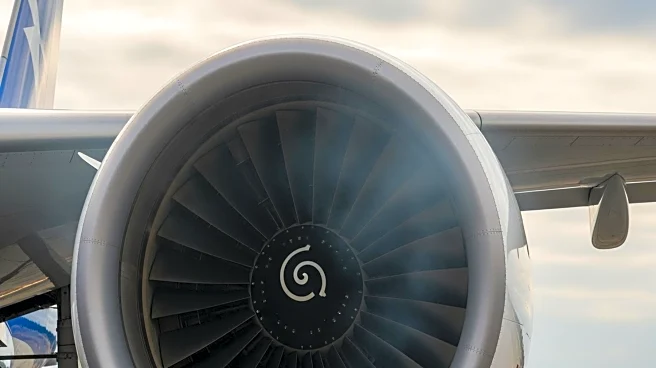
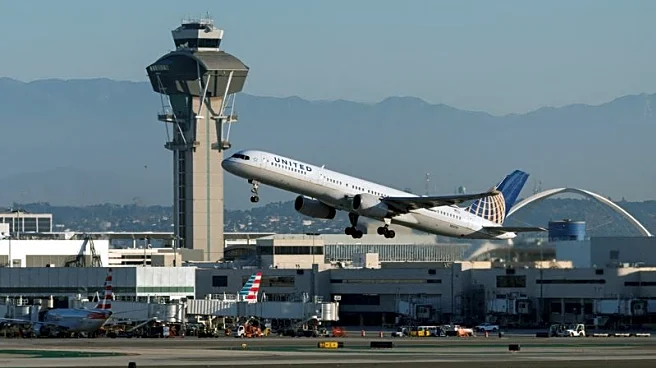
The audit focused on the FAA's oversight of United Airlines' maintenance practices, revealing that the Certificate Management Office (CMO) lacks sufficient personnel to effectively oversee safety risks. The report noted that the FAA has only two inspectors for United's powerplant operations, which manage over 2,000 engines, and one inspector is set to retire in 2026. The audit also criticized the FAA's use of virtual inspections, which often result in procedures being marked as 'not observable' due to the absence of on-site evaluations. The IG made six recommendations to the FAA, including improving staffing levels and providing clearer guidance on the use of 'not observable' in audits.
Why It's Important?
The findings of the audit underscore significant challenges in the FAA's ability to ensure airline safety, which is critical for public trust and the aviation industry's operational integrity. Insufficient staffing and reliance on virtual inspections could lead to oversight gaps, potentially compromising safety standards. This situation poses risks not only to the airlines but also to passengers and the broader aviation sector. The audit's recommendations aim to address these issues by enhancing the FAA's oversight capabilities, which is crucial for maintaining safety and preventing incidents that could have severe consequences for the industry and public safety.
What's Next?
The FAA has agreed to implement five of the IG's recommendations by the end of the year, focusing on improving staffing and clarifying policies related to virtual inspections. The agency plans to review existing policies and guidance materials to ensure better execution of oversight responsibilities. These steps are expected to enhance the FAA's ability to manage safety risks effectively and restore confidence in its oversight processes. The aviation industry and stakeholders will be closely monitoring the FAA's progress in addressing these issues, as effective oversight is essential for maintaining safety and operational standards.