






What's Happening?
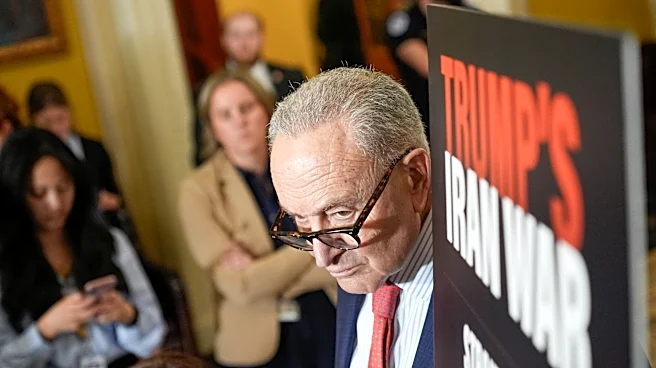
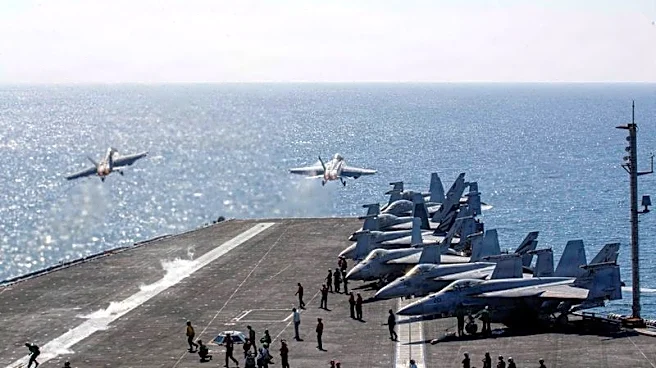
Russell Vought, the Director of the White House Office of Management and Budget, testified before the House Budget Committee, stating that he could not provide an estimate for the cost of the ongoing war with Iran. During the testimony, Vought mentioned
that the Trump administration had not yet formulated a supplemental funding request to present to Congress. The administration is still determining the financial needs for the current and upcoming fiscal years. Despite inquiries from lawmakers, including Rep. Veronica Escobar, D-Texas, Vought did not provide a ballpark figure, even when asked if the cost would exceed $50 billion. Meanwhile, a Harvard University analysis by Professor Linda Bilmes suggests that the war could potentially cost U.S. taxpayers $1 trillion. The testimony was part of discussions on President Trump's fiscal 2027 budget proposal, which includes a $1.5 trillion defense budget and a 10% reduction in non-defense spending.
Why It's Important?
The inability to estimate the cost of the Iran war highlights significant uncertainties in U.S. fiscal planning and defense budgeting. The lack of a clear financial plan could impact congressional decision-making and the allocation of resources across other critical areas, such as healthcare and education. The proposed increase in defense spending, coupled with cuts to non-defense areas, reflects the administration's prioritization of military funding over other domestic programs. This approach may lead to political and public debate over the balance of national priorities. The potential $1 trillion cost of the war, as estimated by Harvard's analysis, underscores the substantial financial burden that could be placed on taxpayers, influencing public opinion and future policy decisions.
What's Next?
The Trump administration is expected to continue working on a supplemental funding request for the Iran war, which will eventually be presented to Congress. This request will likely spark further debate among lawmakers regarding the appropriate level of defense spending and the implications for other budgetary areas. As the administration finalizes its fiscal plans, stakeholders, including political leaders and advocacy groups, may intensify their lobbying efforts to influence the allocation of resources. The ongoing discussions could also impact the broader geopolitical strategy of the U.S. in the Middle East, as financial considerations play a crucial role in shaping foreign policy decisions.