










What's Happening?
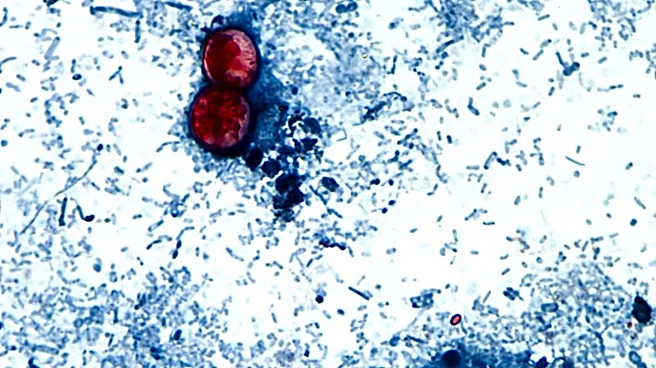
A growing outbreak of cyclosporiasis, a diarrheal illness caused by the cyclospora parasite, has left consumers uncertain about which foods to avoid. Public health officials have not yet identified the source of the outbreak, leading to widespread speculation
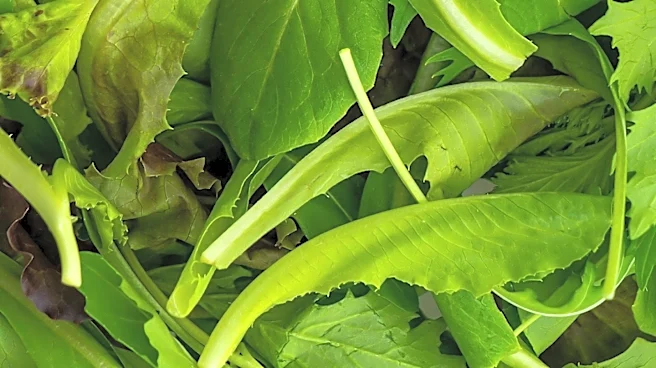
and concern. The illness can cause severe dehydration, particularly affecting young children, older adults, and immunocompromised individuals. Dr. Céline Gounder, a medical correspondent, emphasized that consumers cannot solve this issue on their own and should avoid fresh produce that isn't cooked or peeled. The lack of definitive information has led to speculation on social media, with users attempting to identify potential sources. Michigan health officials have suggested that lettuce or salad greens might be involved, but no specific producer or retailer has been identified. Taco Bell has voluntarily removed certain ingredients at select locations as a precaution, although no link to the outbreak has been confirmed.
Why It's Important?
The outbreak highlights significant challenges in food safety and public health response. The inability to quickly identify the source of the outbreak underscores potential gaps in disease surveillance and response systems. This situation could lead to increased consumer distrust in food safety and supply chains, impacting the agricultural and food service industries. The outbreak also raises concerns about the effectiveness of current public health infrastructure, particularly following staffing reductions and changes in disease surveillance protocols. The situation emphasizes the need for robust food safety measures and transparent communication from health authorities to prevent similar occurrences in the future.
What's Next?
As investigations continue, public health officials are expected to intensify efforts to identify the source of the outbreak. This may involve increased testing and collaboration with food producers and retailers. Consumers are advised to follow general food safety precautions, such as thorough handwashing and cooking produce to eliminate potential parasites. The situation may prompt a review of current surveillance systems and resource allocation to improve response times and prevent future outbreaks. Stakeholders in the food industry may also implement additional safety measures to reassure consumers and mitigate potential economic impacts.