





What's Happening?
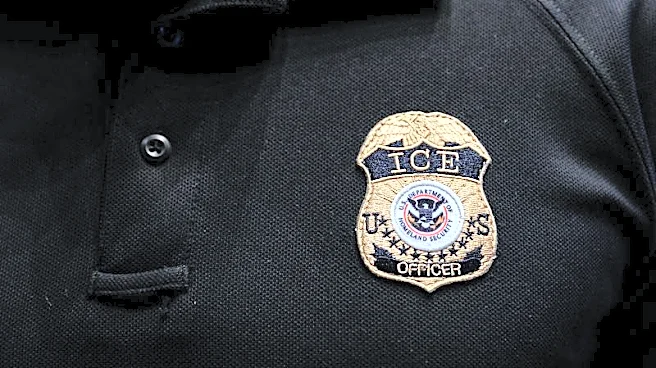
A group of U.S. senators, led by Democrat Catherine Cortez Masto of Nevada and including Independent Senator Angus King of Maine, has called on Immigration and Customs Enforcement (ICE) to cancel its plan to purchase electric shock gloves. In a letter
to ICE's acting director, the senators questioned the agency's need for up to $20 million worth of these 'conductive distraction and de-escalation devices' and its ability to use them appropriately. The letter highlighted concerns about the potential for misuse of force, citing incidents in various U.S. cities. The senators emphasized that the devices, which deliver painful electric shocks when applied directly to skin, present substantial risks, especially if deployed without clear limits, appropriate training, and comprehensive oversight. This opposition follows ICE's public notice outlining plans to acquire thousands of these gloves for officers and investigators. The Department of Homeland Security, ICE's parent agency, has defended the plan, stating that attempts to ban federal law enforcement from safety equipment are despicable and undermine officers.
Why It's Important?
This development is important as it raises significant questions about the appropriate use of force by federal law enforcement agencies and the oversight of such tools. The senators' concerns reflect a broader debate about police accountability and the potential for new technologies to be misused, leading to harm to individuals. The proposed $20 million expenditure on these devices also brings into focus the allocation of taxpayer funds and whether such investments align with public safety and human rights standards. If ICE proceeds with the purchase and deployment of these gloves, it could set a precedent for the use of similar devices by other agencies, potentially escalating concerns about civil liberties and the treatment of individuals during arrests and in detention settings. The pushback from senators underscores the legislative branch's role in scrutinizing executive agency actions and advocating for policies that protect citizens from potential abuses of power.
What's Next?
The senators have demanded that if ICE moves forward with the plan, it must make public detailed information regarding officer training protocols and how the use of these gloves will be documented and internally reviewed to prevent misuse. White House border czar Tom Homan has indicated that deployment of the gloves is still months away, as the agency is working on training and policy details. The Department of Homeland Security has reacted defiantly to critics, suggesting a continued commitment to the plan. This indicates that the debate over the electric shock gloves is likely to continue, with potential for further legislative pressure, public advocacy, and possibly legal challenges if the concerns raised by the senators are not adequately addressed. The outcome will likely influence future procurement decisions for law enforcement equipment and the standards for its deployment.
Beyond the Headlines
Beyond the immediate concerns about the electric shock gloves, this issue touches upon deeper ethical and legal implications regarding the use of pain-inducing devices by law enforcement. The debate highlights the tension between ensuring officer safety and maintaining human dignity and rights. The senators' reference to 'blatant and tragic misuse of force' in various cities suggests a broader societal concern about police brutality and the need for de-escalation tactics that do not rely on inflicting pain. The long-term implications could include a re-evaluation of what constitutes 'appropriate force' in law enforcement, potentially leading to stricter regulations on the types of equipment agencies can acquire and deploy. This situation also underscores the ongoing challenge of balancing national security interests with civil liberties, particularly in the context of immigration enforcement.