




What's Happening?
Arkansas' four U.S. House members, including Bruce Westerman, voted in favor of a $95 billion budget resolution aimed at addressing various issues, notably the agriculture economy. The resolution passed with a narrow 216-214 vote, primarily along party
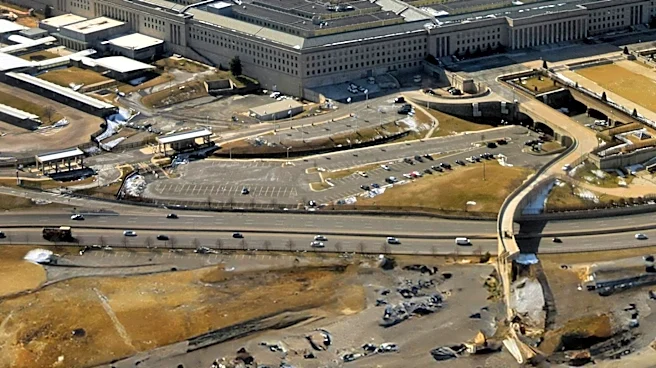
lines. The budget includes $60 billion for defense and $12 billion for agriculture programs, providing potential economic relief for farmers facing rising costs and low crop prices. Despite supporting the resolution, Westerman expressed concerns over the lack of spending reductions, highlighting Republican leaders' promises for future expense cuts. The House Intelligence Committee, chaired by Rick Crawford, is tasked with recommending the allocation of $13 billion, focusing on national intelligence agencies.
Why It's Important?
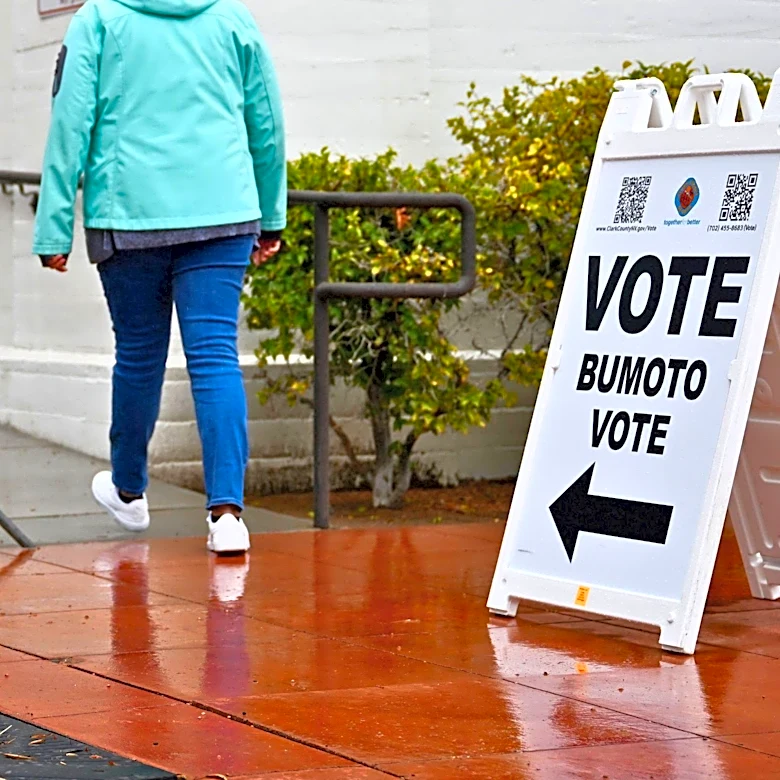
The budget resolution is significant as it addresses critical sectors like defense and agriculture, which are vital to the U.S. economy and national security. The allocation for defense ensures that military personnel have the necessary resources, while the agriculture funding aims to support farmers struggling with economic challenges. The resolution's passage reflects ongoing partisan divides in Congress, with Democrats opposing the plan. The resolution also includes provisions for election security, aligning with President Trump's voter ID goals, which could impact future electoral processes. The outcome of this budget could influence economic stability and security measures in the U.S.
What's Next?
The resolution sets a deadline of September 11 for four House committees to propose spending recommendations that align with the $95 billion deficit increase limit over the next decade. The Senate's response to the resolution, particularly regarding the voter ID provisions, will be crucial. The House's short-term continuing resolution to fund the government through December 4 indicates ongoing negotiations to prevent a government shutdown. Future actions by Republican leaders to address spending cuts, as promised, will be closely monitored, impacting fiscal policy and government operations.