








What's Happening?
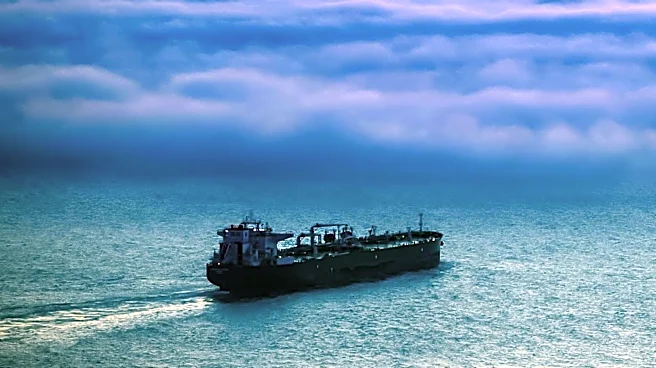
Ukrainian agribusinesses are expressing concern over increased rail freight tariffs imposed by Ukrzaliznytsia, the national railway company. These tariffs are seen as a significant issue for the agricultural sector, especially given the limited and risky
maritime logistics options currently available. Rail transport remains a key route for exporting agricultural products. Vitaliy Shtempel, the financial director of the Agrein group of companies, highlighted that the rising costs of rail transport directly increase the cost of Ukrainian grain, reducing its competitiveness in the global market. The additional logistical expenses could ultimately be passed on to producers through lower purchase prices for agricultural products.
Why It's Important?
The increase in rail tariffs poses a threat to the competitiveness of Ukrainian grain on the international market. As logistics costs rise, the price advantage of Ukrainian grain diminishes compared to other exporting countries. This situation could lead to financial strain on Ukrainian agricultural enterprises, potentially impacting their ability to maintain production levels and profitability. The agricultural sector is a vital part of Ukraine's economy, and any disruptions could have broader economic implications, affecting employment and export revenues.
What's Next?
The ongoing tariff increases may prompt Ukrainian agribusinesses to seek alternative logistics solutions or advocate for policy changes to mitigate the financial impact. There could be increased pressure on the government to negotiate more favorable terms with Ukrzaliznytsia or explore subsidies to support the agricultural sector. Additionally, the situation may lead to further discussions on improving infrastructure and reducing logistical bottlenecks to enhance the efficiency and cost-effectiveness of grain exports.