






What's Happening?
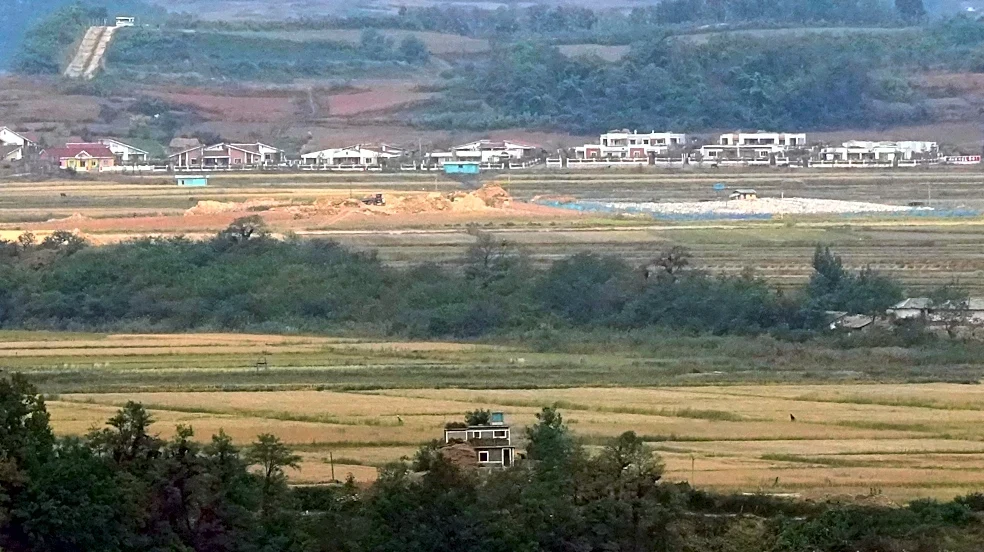
North Korean authorities are compelling farm workers in South Pyongan province to deposit their savings into electronic payment cards. This directive, issued by the Mundok county agricultural management committee on October 4, aims to reduce cash usage
and expand the adoption of bank-issued electronic payment cards. The order comes just before the annual autumn distribution, when farm workers receive their share of the harvest. Farm management committees are instructed to ensure workers deposit all their North Korean won, as well as any dollars or yuan, into card-linked accounts. Lectures are being given to farm workers, emphasizing the convenience of cards in preventing cash loss and simplifying transactions. Despite these efforts, many farm workers view the initiative as a state attempt to gain control over private funds and monitor financial activities, rather than a genuine payment upgrade. This distrust stems from past experiences, such as the 2009 currency redenomination that significantly devalued savings, and concerns about the difficulty of withdrawing money from state banks.
Why It's Important?
This push for electronic payments highlights the North Korean regime's ongoing efforts to centralize economic control and monitor its citizens' financial activities. By moving away from cash, the state can gain greater visibility into individual wealth and transactions, potentially limiting the informal economy and private accumulation of capital. The resistance from farm workers underscores a deep-seated distrust in state financial institutions, rooted in historical events that have eroded public confidence. This initiative could further strain the relationship between the government and its populace, particularly in rural areas where basic infrastructure, such as reliable power for card readers, is lacking. The move also suggests a broader strategy to absorb private cash into state banks, which could be a response to declining deposits as families increasingly stash money at home due to crackdowns on foreign currency use. The potential for increased state surveillance over personal finances could have significant implications for individual economic autonomy and privacy within the highly controlled society.
What's Next?
North Korean authorities are expected to continue their campaign to enforce the use of electronic payment cards, potentially intensifying crackdowns on cash deals and currency exchange in local markets. Patrol teams from social security departments and inspection patrols have already been formed in Mundok county to target large cash transactions and currency brokers. This suggests a sustained effort to transition away from cash, despite the widespread skepticism and practical challenges faced by rural populations. The regime may implement further policies or incentives to encourage card adoption, or conversely, impose stricter penalties for non-compliance. The success of this initiative will likely depend on the state's ability to overcome public distrust and address the infrastructural deficiencies that hinder the practical use of electronic payments in rural areas. Continued resistance from farm workers could lead to further tensions, while successful implementation would grant the state unprecedented control over the financial lives of its citizens.
Beyond the Headlines
The directive to adopt electronic payment cards in North Korea extends beyond a simple modernization of payment systems; it represents a significant step towards enhanced state control and surveillance over its citizens' economic lives. The regime's motivation appears to be multifaceted, aiming to not only track financial flows but also to absorb private wealth into state-controlled institutions. This move could be interpreted as an attempt to further consolidate power and prevent the emergence of independent economic bases that could challenge state authority. The widespread distrust among farm workers reflects a deeper societal issue: the lack of faith in government institutions due to past policies that have negatively impacted personal savings. This initiative also highlights the stark contrast between the regime's aspirations for a cashless society and the ground realities of inadequate infrastructure in rural areas. The long-term implications could include a further erosion of economic freedom, increased state monitoring of individual transactions, and potentially, a more centralized and controlled economy, mirroring broader patterns of authoritarian governance.