





What's Happening?
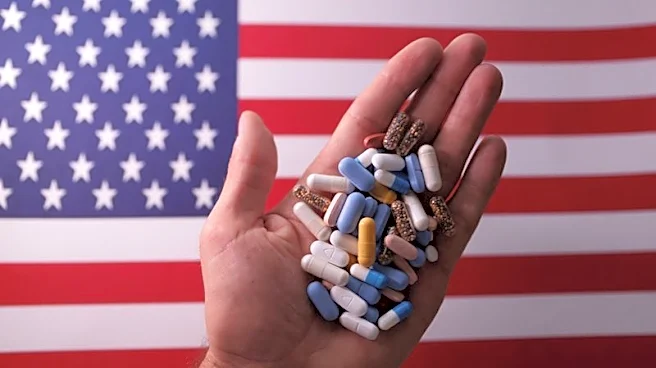
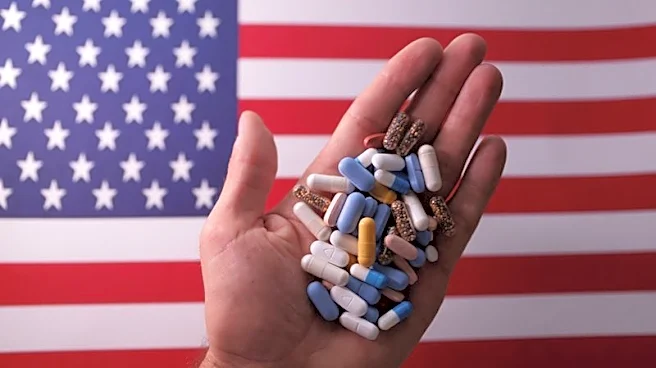
Robert F. Kennedy Jr., the U.S. Secretary of Health and Human Services (HHS), has announced plans to ease restrictions on several controversial peptides. These plans, detailed in the U.S. Federal Register, would permit compounding pharmacies to prepare
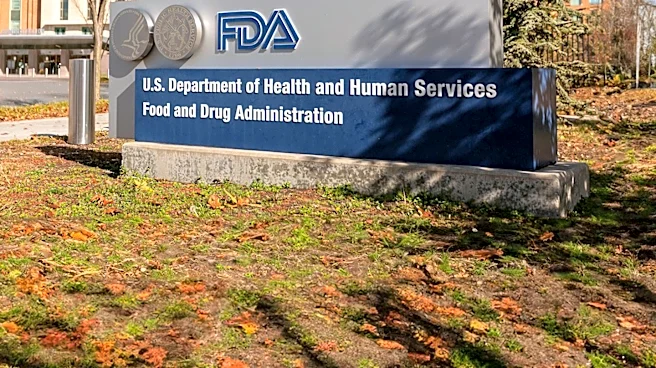
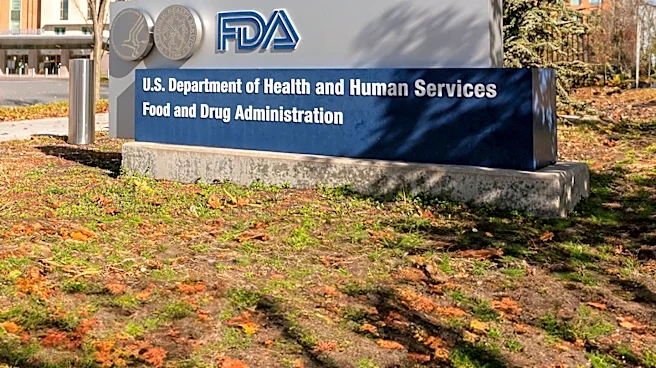
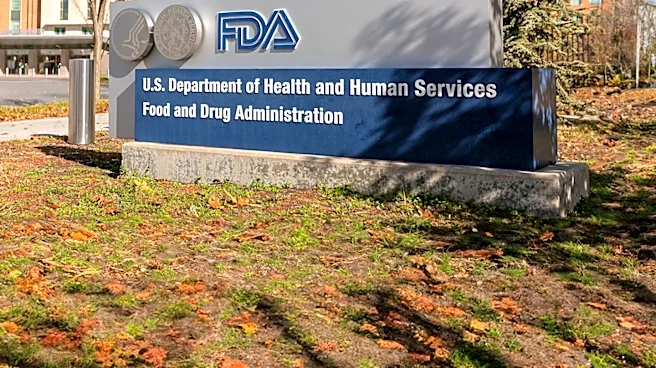
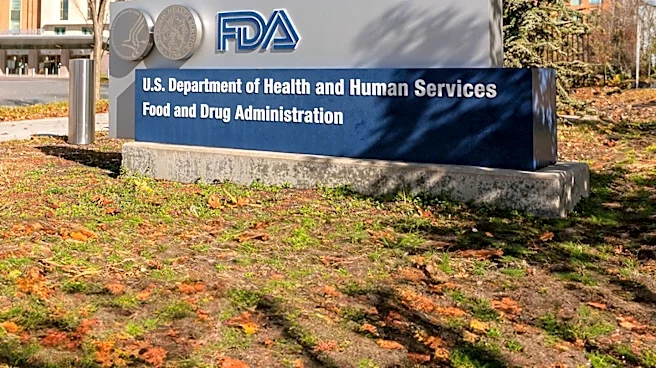
six popular peptides that have not received approval from the Food and Drug Administration (FDA). The draft proposal originated directly from the health secretary's office, an unusual procedural move, rather than from the FDA itself. Following its official publication, the plan will undergo a two-week public comment period. The peptides in question, including BPC-157, TB-500, KPV, MOTS-c, and Semax, are short chains of amino acids naturally produced by the body, playing roles in skin health, immune function, and hormone regulation.
Why It's Important?
This move is significant because it challenges the traditional regulatory framework for pharmaceutical products in the U.S., potentially allowing wider access to substances without full FDA vetting for safety and efficacy. While peptides have legitimate medical uses, the unregulated market has seen a surge in their promotion by online influencers for unproven wellness claims, such as anti-aging, muscle building, and skin improvement. Health experts have expressed caution due to the lack of clinical trials in humans and unknown long-term effects. The decision to bypass standard FDA channels for this proposal raises questions about regulatory oversight and consumer protection, especially as these substances gain popularity among younger demographics through trends like 'biohacking' and 'looksmaxxing' on social media platforms.
What's Next?
The proposed plan will enter a two-week public comment period after its official publication, during which stakeholders, including medical professionals, consumer advocacy groups, and the public, can submit their feedback. The FDA, which previously had staff members recommend against loosening restrictions on these peptides despite an advisory panel vote in favor, will likely be a key voice in this process. Secretary Kennedy, who has publicly expressed support for these drugs, will then consider the comments before making a final decision. This could lead to a significant shift in how certain unapproved substances are made available to the public, potentially setting a precedent for future regulatory decisions regarding wellness products.
Beyond the Headlines
The push to expand access to unapproved peptides highlights a growing tension between the wellness industry's demand for novel treatments and the established regulatory processes designed to ensure public safety. This development could accelerate the trend of 'medical self-experimentation' and the use of substances promoted through social media, often without robust scientific backing. Ethically, it raises concerns about informed consent and the potential for consumers to use unproven treatments based on anecdotal evidence rather than clinical data. Legally, it could set a precedent for future challenges to FDA authority and the process of drug approval, potentially opening the door for more substances to enter the market with less stringent oversight. This move could also exacerbate health disparities if access to these unapproved treatments becomes more prevalent among those seeking quick fixes without professional medical guidance.