







What's Happening?
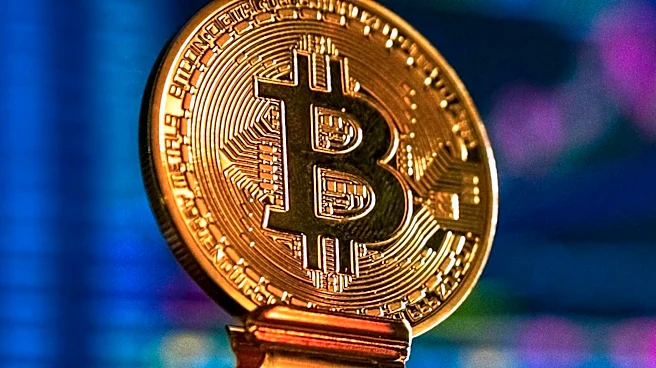
Russia's largest bank, Sberbank, is set to develop a cryptocurrency trading infrastructure and a digital custody system by December 1. This initiative follows the Federation Council's approval of a bill that regulates cryptocurrency trading through licensed
brokers, exchanges, asset managers, and custodians. The new law, effective September 1, mandates that cryptocurrencies listed on public exchanges must meet specific liquidity requirements, including a two-year average market capitalization of 5 trillion rubles and an average daily trading volume of 1 trillion rubles. Sberbank's digital custodian will record clients' ownership of digital assets and process most transactions off the blockchain. The bank also plans to manage active wallets for client deposits, withdrawals, and transfers. Despite these advancements, the use of cryptocurrencies for payments within Russia remains prohibited.
Why It's Important?
Sberbank's move to establish a comprehensive crypto trading and custody infrastructure marks a significant step in integrating cryptocurrencies into Russia's regulated financial system. This development could enhance the legitimacy and accessibility of digital assets for Russian investors, potentially increasing market participation and liquidity. By setting stringent liquidity requirements, the Bank of Russia aims to ensure stability and reduce risks associated with cryptocurrency trading. This initiative may also position Russia as a more prominent player in the global cryptocurrency market, attracting international investors and fostering innovation in financial technologies. However, the continued ban on using cryptocurrencies for domestic payments highlights ongoing regulatory challenges and the cautious approach of Russian authorities towards digital currencies.
What's Next?
As the new regulations take effect, Sberbank will likely focus on building the necessary infrastructure to comply with the legal framework and meet the December 1 deadline. The bank's efforts to integrate digital assets into its offerings could prompt other financial institutions in Russia to follow suit, potentially leading to increased competition and innovation in the sector. Additionally, the regulatory environment may evolve as authorities assess the impact of these changes on the financial system and consider further adjustments to accommodate the growing interest in cryptocurrencies. Stakeholders, including investors and financial service providers, will closely monitor these developments to adapt their strategies accordingly.