










What's Happening?
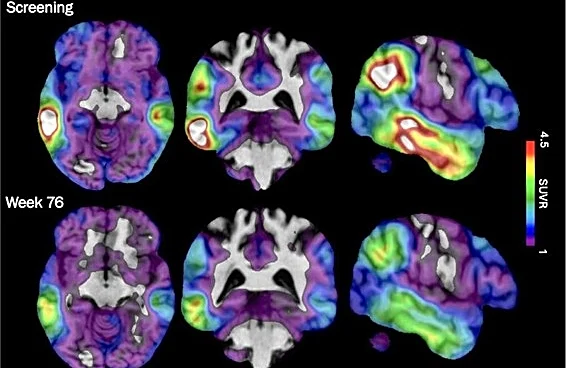
Biogen has announced plans to advance its experimental Alzheimer's drug, diranersen, to Phase 3 trials following promising results from a mid-stage trial. The drug, which targets the tau protein, showed a 26% reduction in cognitive decline in patients
with mild cognitive impairment or mild Alzheimer's, despite missing its primary endpoint. The trial, known as the CELIA study, involved 416 participants and demonstrated that diranersen could slow clinical decline, with the most significant effects observed at the lowest dose. Biogen's decision to proceed with Phase 3 trials underscores the potential of diranersen as a novel treatment for Alzheimer's, focusing on tau pathology rather than the more commonly targeted amyloid protein.
Why It's Important?
The advancement of diranersen highlights a shift in Alzheimer's research towards targeting tau protein, which plays a critical role in the disease's progression. This approach could complement existing amyloid-targeting therapies, offering a more comprehensive treatment strategy. Biogen's commitment to developing diranersen, despite the trial's missed endpoint, reflects the company's confidence in the drug's potential and the broader industry's interest in diversifying Alzheimer's treatment options. Successful development of diranersen could lead to significant improvements in patient outcomes and stimulate further research into tau-targeting therapies.
What's Next?
Biogen will conduct a Phase 3 trial to further evaluate diranersen's efficacy and safety. The trial will aim to confirm the cognitive benefits observed in the Phase 2 study and assess the drug's impact on tau pathology. The results of this trial will be critical in determining the drug's future and its potential approval for clinical use. The Alzheimer's research community and pharmaceutical industry will be closely watching these developments, as they could influence future research directions and treatment strategies.