



What's Happening?
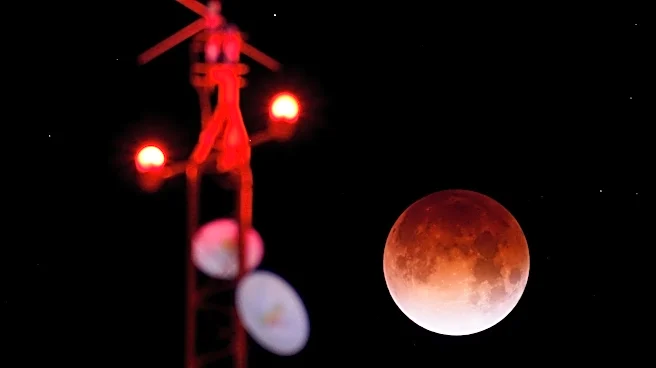
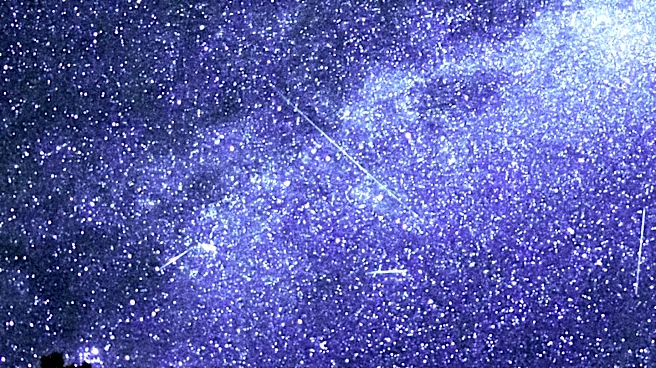
Two meteor showers, the Southern Delta Aquariids and the Alpha Capricornids, are set to peak overnight from Thursday into Friday. However, the viewing experience is expected to be compromised due to the brightness of the nearly full July Buck Moon, which
will be 98% full. The Southern Delta Aquariids, active from July 23 to August 23, are best viewed from the southern tropics and typically produce faint meteors. The Alpha Capricornids, active from July 12 to August 12, are known for bright fireballs but rarely exceed five meteors per hour. Observers in the southern U.S., Mexico, and the Caribbean are advised to watch between midnight and dawn, keeping the moon behind them to improve visibility.
Why It's Important?
Meteor showers are significant celestial events that attract skywatchers and astronomy enthusiasts. The current conditions, with a bright moon, highlight the challenges in observing such events, emphasizing the need for optimal viewing conditions. This situation underscores the importance of understanding astronomical phenomena and their dependence on natural conditions. The event also serves as a reminder of the broader interest in space and celestial events, which can inspire educational and scientific pursuits.
What's Next?
For those unable to view the current meteor showers due to moonlight, the Perseid meteor shower, peaking from August 12 to 13, offers a promising alternative. During this period, the skies will be moonless, allowing for potentially better viewing conditions with an expected rate of 100 meteors per hour. This upcoming event provides another opportunity for skywatchers to experience a significant celestial display.