



What's Happening?
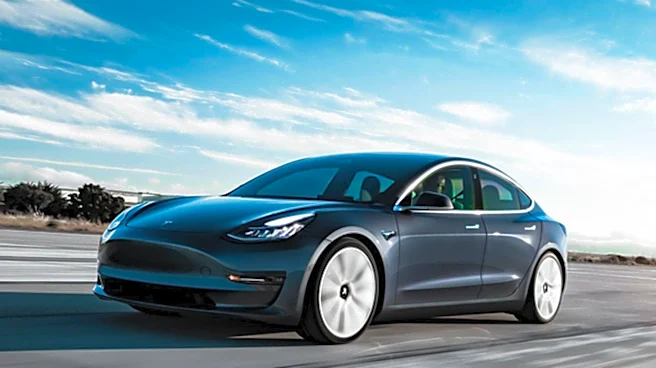
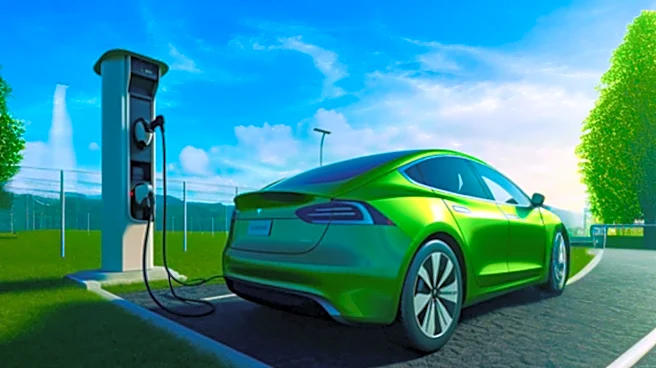
The Australian Automobile Association (AAA) has reported a significant increase in the market share of electric vehicles (EVs) and plug-in hybrids in Australia, reaching nearly half of new car sales between April and June 2026. This surge is attributed
to the ongoing fuel crisis, which has seen fuel prices rise sharply, prompting consumers to shift towards more sustainable vehicle options. Specifically, EVs accounted for 21.03% and plug-in hybrids for 10.58% of the market, marking record highs. In contrast, traditional internal combustion engine (ICE) vehicles experienced a notable decline, dropping to 50.84% from 64.23% in the previous quarter. This marks the lowest market share ever recorded for petrol-powered vehicles in Australia.
Why It's Important?
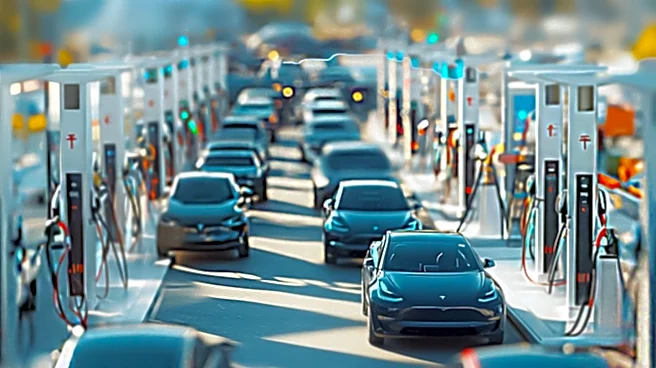
The shift towards electric and hybrid vehicles in Australia highlights a significant change in consumer behavior driven by economic and environmental factors. The ongoing fuel crisis, exacerbated by instability in the Middle East affecting supply routes, has made traditional fuel options less attractive. This transition not only impacts the automotive industry but also signals a broader move towards sustainable energy solutions. The decline in ICE vehicle sales suggests a potential long-term reduction in carbon emissions, aligning with global efforts to combat climate change. Additionally, the increased adoption of EVs could stimulate further investment in charging infrastructure and renewable energy sources, fostering economic growth in these sectors.
What's Next?
As the fuel crisis continues, it is likely that the trend towards electric and hybrid vehicles will persist. The Australian government may consider further incentives to support this transition, such as subsidies for EV purchases or investments in charging infrastructure. Automotive manufacturers might also accelerate their production of EVs to meet growing demand. Additionally, the decline in ICE vehicle sales could prompt traditional car manufacturers to innovate and diversify their offerings to remain competitive. The ongoing situation may also influence policy decisions related to energy independence and environmental sustainability.
Beyond the Headlines
The rise in electric vehicle sales in Australia could have broader implications for global automotive markets, potentially influencing other countries facing similar fuel challenges to adopt similar strategies. This shift may also encourage technological advancements in battery efficiency and renewable energy integration. Furthermore, the increased focus on sustainable transportation solutions could lead to cultural shifts in consumer attitudes towards environmental responsibility and energy consumption. As the automotive industry adapts to these changes, there may be new opportunities for job creation in sectors related to EV production and maintenance.