







What's Happening?
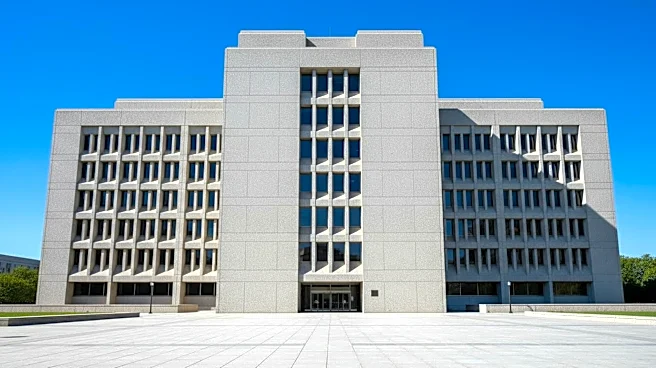
The Trump administration has introduced a new rule aimed at reducing the costs of prescription drugs for Medicare patients. The proposed regulation targets hospitals participating in the 340B program, which allows them to purchase outpatient prescription drugs at discounted
prices. However, these hospitals often charge insurers higher rates, leading to increased costs for patients. The new rule, proposed by the Centers for Medicare & Medicaid Services, seeks to adjust the reimbursement formula for these hospitals, potentially saving consumers $1.1 billion next year. The administration's move is part of a broader effort to address rising healthcare costs, a significant concern for U.S. families and the government. The American Hospital Association has expressed concerns, stating that the rule could exacerbate financial pressures on hospitals and impact their ability to provide essential services.
Why It's Important?
This proposed rule is significant as it addresses the ongoing issue of healthcare affordability in the United States. By potentially saving Medicare patients $1.1 billion, the rule could alleviate some financial strain on older adults who rely on Medicare Part B coverage. The broader impact includes a potential $20 billion in savings over the next decade. However, the rule also poses challenges for hospitals, particularly those serving low-income communities, as it may reduce their revenue and affect their service capabilities. The proposal highlights the complex dynamics between healthcare providers, pharmaceutical companies, and policymakers, each with vested interests in the 340B program.
What's Next?
If approved, the rule is set to take effect at the beginning of next year. The administration's proposal is likely to face scrutiny and potential opposition from hospital groups and other stakeholders. The American Hospital Association has already voiced concerns about the financial implications for hospitals. The rule's implementation could lead to further legal and political debates, especially given the historical context of similar attempts by the Trump administration to adjust Medicare payments, which faced legal challenges. Stakeholders will be closely monitoring the rule's progress and its potential impact on the healthcare system.