
What's Happening?
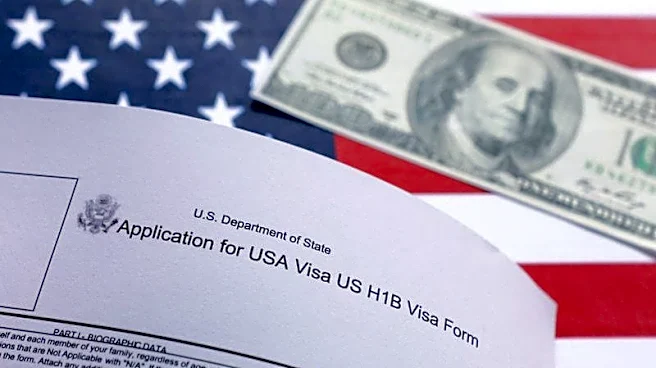
The Trump administration is implementing a series of policy changes that introduce new costs and uncertainties for employers and workers relying on H-1B visas. The Department of Homeland Security (DHS)
has proposed a new fee of $103,265 for all H-1B petitions subject to an annual cap. This comes alongside expanded screening fees for some employers, increased discretion for officers to reject petitions, and plans to eliminate a 60-day grace period for H-1B workers who lose their jobs. Other significant regulatory moves include capping authorized admission periods for foreign students and overhauling wage floors, potentially adding tens of thousands of dollars to required pay for individual visa holders. These measures are part of an administration-wide enforcement crackdown targeting H-1B hiring, with the stated goal of protecting American workers.
Why It's Important?
These changes significantly impact U.S. industries that depend on skilled foreign talent, particularly in technology, healthcare, and academia. The increased costs and administrative burdens could deter companies from hiring H-1B workers, potentially leading to a shortage of specialized skills in critical sectors. The elimination of the grace period for job loss creates immense instability for H-1B visa holders, forcing them to leave the country immediately if unemployed, which could disrupt ongoing projects and research. For foreign students, new restrictions on F-1 visas and potential six-figure fees for post-graduate employment programs could make the U.S. a less attractive destination for higher education and career development, impacting the nation's competitiveness in global talent acquisition. The measures are seen by some as 'death by a thousand cuts' for the program, making it more challenging and costly for businesses.
What's Next?
Employers and immigration attorneys are exploring creative strategies to adapt to the new H-1B environment, including considering temporary placements for workers outside the U.S. or accelerating green card sponsorship decisions. The proposed changes are expected to take effect or be finalized soon, leading to a period of adjustment for companies and visa applicants. The legal battle over a previously proposed $100,000 fee, which a Boston federal court found unlawful, is ongoing and could influence the implementation of the new proposed fees. Congress and state officials continue to introduce bills to either halt the program or block certain employers from sponsoring workers, indicating further legislative and regulatory actions are possible. The Departments of Justice and Labor, along with the Equal Employment Opportunity Commission, are also investigating abuses in the program.
Beyond the Headlines
The tightening of the H-1B visa program reflects a broader debate about immigration, national labor policies, and the balance between protecting domestic jobs and attracting global talent. While the administration frames these changes as protecting American workers, critics argue they could stifle innovation, reduce economic growth, and push highly skilled individuals to other countries. The increased scrutiny and costs associated with H-1B visas could force U.S. companies to re-evaluate their long-term talent acquisition strategies, potentially leading to more investment in domestic training programs or a shift of operations overseas. This policy shift also raises ethical questions about the treatment of foreign workers who have contributed to the U.S. economy and the potential for these measures to create a less inclusive and diverse workforce.