







What's Happening?
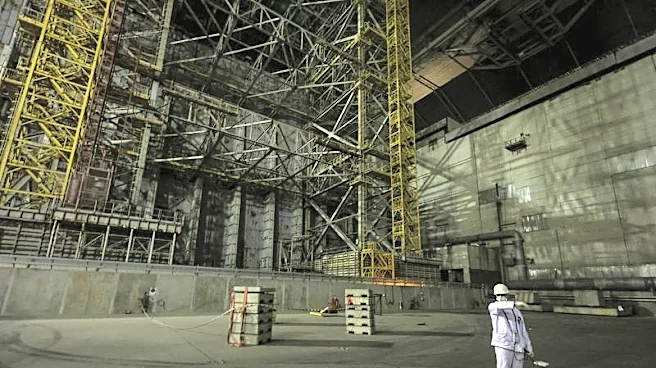
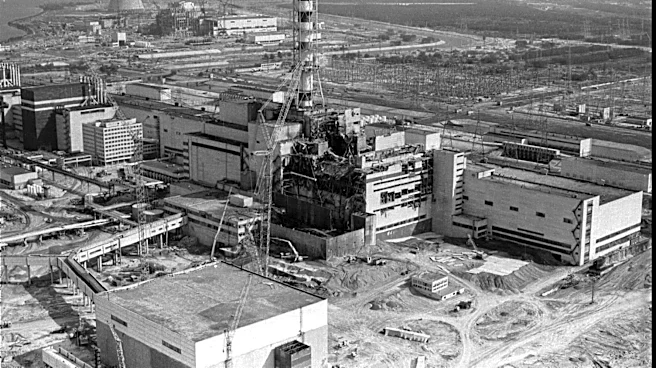
The International Atomic Energy Agency (IAEA) has been monitoring the Chornobyl nuclear power plant, which remains at risk due to ongoing conflict in Ukraine. The plant, site of the 1986 nuclear disaster, is now protected by the New Safe Confinement (NSC)
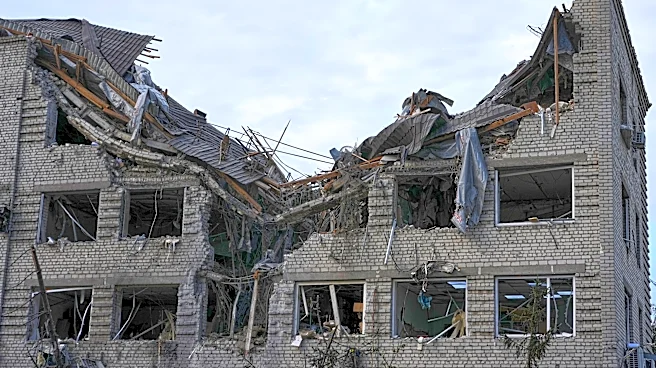
structure, completed in 2019. However, recent Russian military actions, including a drone strike in February 2025, have compromised the NSC's integrity. This strike created a significant hole in the structure, threatening its ability to contain radioactive materials. The plant has also experienced multiple power outages due to Russian attacks on Ukraine's electricity grid, necessitating the use of emergency generators to maintain cooling systems. Ukrainian officials and international experts warn that without repairs, the NSC's lifespan could be significantly reduced, posing a renewed risk of radioactive release.
Why It's Important?
The situation at Chornobyl underscores the broader implications of military conflict on nuclear safety. The potential collapse of the NSC could release significant amounts of radioactive material, posing a threat not only to Ukraine but to the wider region. This highlights the vulnerability of nuclear sites in conflict zones and the need for international cooperation to ensure their safety. The financial burden of repairs, estimated at up to €500 million, is a significant challenge for Ukraine, already strained by ongoing conflict. The IAEA's involvement is crucial in maintaining international oversight and ensuring compliance with safety standards, but the situation also calls for increased global attention and support to prevent a potential nuclear disaster.
What's Next?
Ukraine faces the urgent task of securing funding and resources to repair the NSC. The international community may need to step in to provide financial and technical assistance. Meanwhile, the IAEA will likely continue its monitoring efforts, emphasizing the need for enhanced security measures at the site. The ongoing conflict poses a persistent threat, and any further military actions near Chornobyl could exacerbate the situation. Diplomatic efforts to de-escalate tensions in the region could play a critical role in preventing further damage to the plant.
Beyond the Headlines
The Chornobyl situation highlights the intersection of military conflict and nuclear safety, raising ethical and legal questions about the protection of such sites during war. It also reflects on the long-term environmental and health impacts of nuclear disasters, as the region continues to deal with the legacy of the 1986 incident. The potential for a new disaster could have profound implications for public perception of nuclear energy and its role in global energy strategies.