




What's Happening?
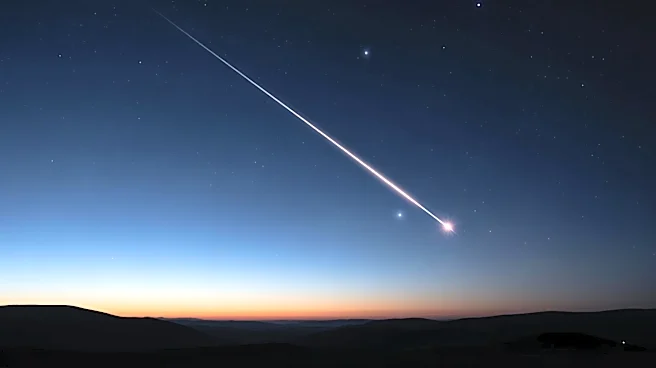
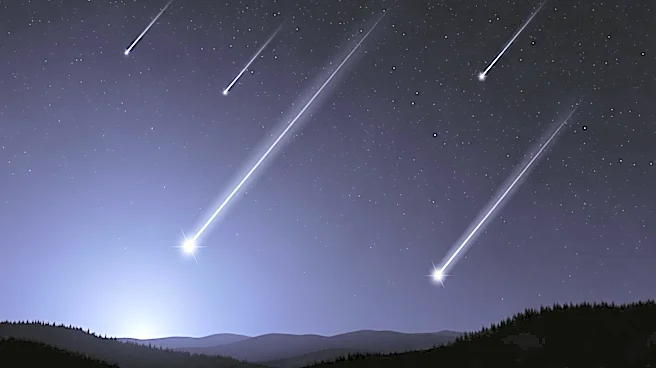
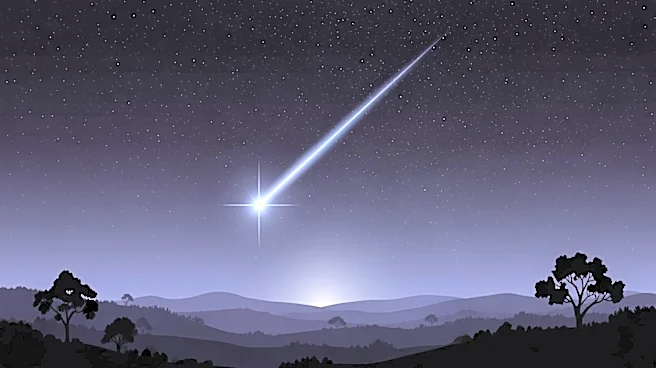
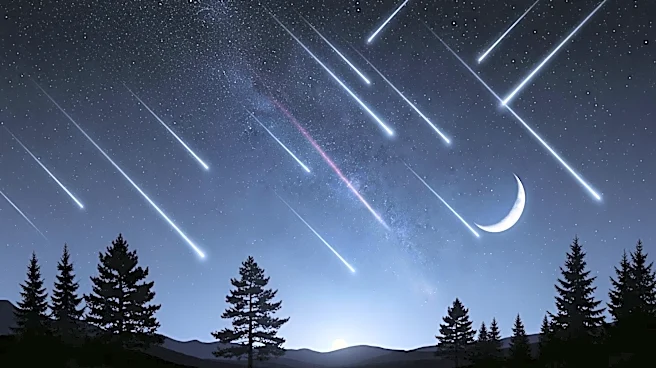
The Lyrid meteor shower is currently active, providing a celestial display that can be observed from the northern hemisphere. The meteors appear to radiate from the constellation Lyra, which is visible in the northeastern sky. The shower is expected to produce
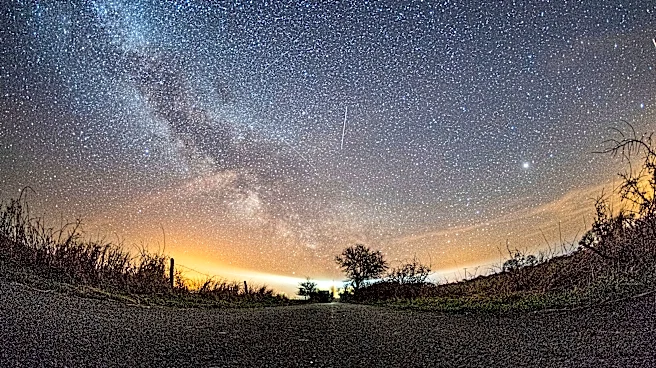
up to 15-20 meteors per hour under optimal conditions. Observers are advised to look slightly away from the radiant point in Lyra to catch longer meteor trails. The best viewing conditions occur after midnight when the moon sets, leaving the sky darker. Stargazers are encouraged to find a location away from city lights, allow their eyes to adjust to the darkness, and be patient for the best experience.
Why It's Important?
Meteor showers like the Lyrids offer a unique opportunity for the public to engage with astronomy and appreciate the natural wonders of the night sky. Such events can inspire interest in science and space exploration, particularly among young people. Additionally, meteor showers are a reminder of the dynamic nature of our solar system and the ongoing interactions between celestial bodies. For communities and businesses involved in tourism and outdoor activities, meteor showers can also provide economic benefits by attracting visitors to areas with optimal viewing conditions.
What's Next?
The Lyrid meteor shower will continue to be visible for several nights, with peak activity expected to last until the early morning hours. Observers are encouraged to use stargazing apps to locate the constellation Lyra and enhance their viewing experience. As the event progresses, amateur astronomers and photographers may capture images of the meteors, contributing to public interest and scientific documentation. Future meteor showers, such as the Perseids in August, will offer additional opportunities for skywatching.