





What's Happening?
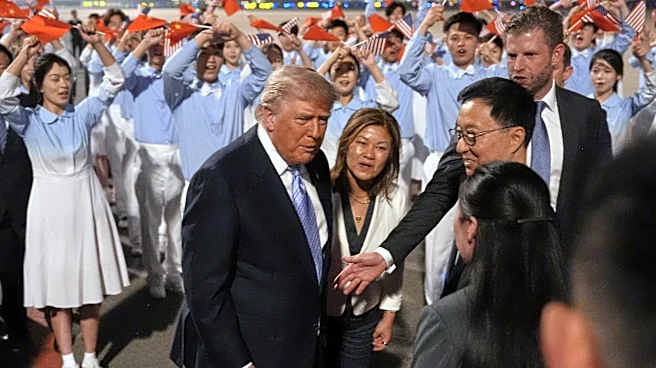
President Trump recently made remarks indicating a lack of concern for Americans' financial situations in the context of the ongoing conflict with Iran. During a press interaction, he stated that he does not consider the financial hardships faced by Americans when
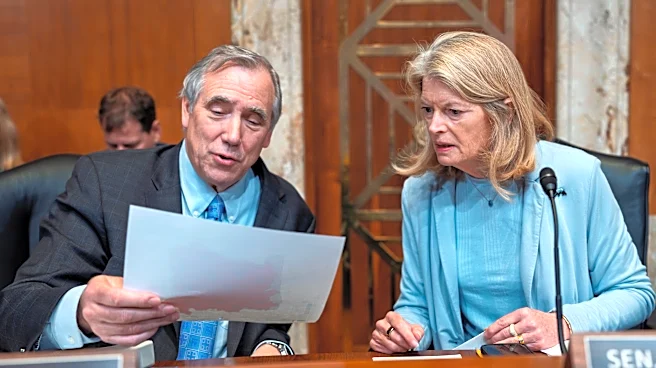
focusing on preventing Iran from acquiring nuclear capabilities. This statement has been criticized as tone-deaf, especially given the current economic challenges, including high inflation and the impact of tariffs. The comments came after a meeting with Republican senators who urged Trump to support legislation aimed at addressing high homeownership costs. Despite publicly backing the bill, Trump's subsequent remarks have drawn attention to his perceived disconnect from the financial struggles of ordinary Americans.
Why It's Important?
The comments by President Trump highlight a significant disconnect between political leadership and public economic concerns. With inflation and tariffs already straining household budgets, Trump's remarks could exacerbate public dissatisfaction and impact his political standing. The situation underscores the broader challenge of balancing foreign policy objectives with domestic economic realities. The administration's focus on international conflicts, such as the situation with Iran, may overshadow pressing domestic issues, potentially influencing voter sentiment and policy priorities. This development also reflects the ongoing debate over the administration's economic strategies and their real-world implications for American families.
What's Next?
The political fallout from Trump's comments may prompt further discussions within Congress about economic relief measures. Republican lawmakers, particularly those facing re-election, might push for more robust economic policies to address voter concerns. Additionally, the administration may need to recalibrate its messaging to better align with public sentiment. The ongoing conflict with Iran and its economic ramifications will likely remain a focal point in U.S. foreign policy, influencing future legislative and diplomatic actions. Stakeholders, including political leaders and advocacy groups, may intensify efforts to highlight the economic impact of current policies, potentially shaping the legislative agenda.