





What's Happening?
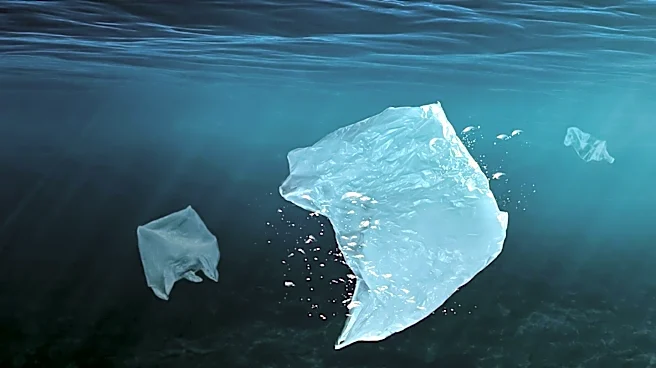
The European Union is set to implement new regulations under Regulation (EU) 2024/1157, which will ban the export of non-hazardous plastic waste to non-OECD countries starting November 21, 2026. This move is part of a broader effort to manage plastic waste more
sustainably within Europe and the OECD. The regulation will require non-hazardous plastic waste to be processed within these regions, putting pressure on the recycling infrastructure to handle increased volumes. The regulation also introduces a notification procedure for exports to OECD countries, requiring prior written consent. This shift is expected to impact the market for lower-grade plastics, as they will need to find new processing solutions within Europe or the OECD.
Why It's Important?
The EU's decision to restrict plastic waste exports is significant for global recycling markets, particularly affecting countries that have traditionally imported such waste. This regulation could lead to increased demand for recycling infrastructure and technology within Europe and the OECD, potentially driving innovation in chemical recycling methods like pyrolysis, which can handle contaminated materials. The policy aims to reduce environmental impacts and promote sustainable waste management practices. However, it may also lead to increased costs for waste management and recycling industries, as they adapt to the new regulatory environment.
What's Next?
As the November 2026 deadline approaches, stakeholders in the recycling and waste management sectors will need to prepare for the regulatory changes. This may involve investing in new technologies and infrastructure to process plastic waste domestically. Policymakers and industry leaders will need to collaborate to ensure a smooth transition and address potential challenges, such as increased operational costs and the need for skilled labor. The regulation may also prompt other regions to reconsider their waste management policies, potentially leading to a more global approach to sustainable waste management.