




What's Happening?
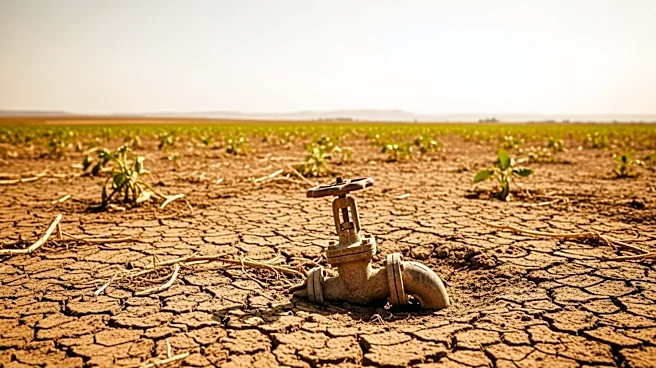
Exceptional drought conditions have re-emerged in the Texas Panhandle and western Oklahoma for the first time since July 2023, as reported by the National Weather Service Arkansas-Red Basin River Forecast Center. The Southern Plains are experiencing one
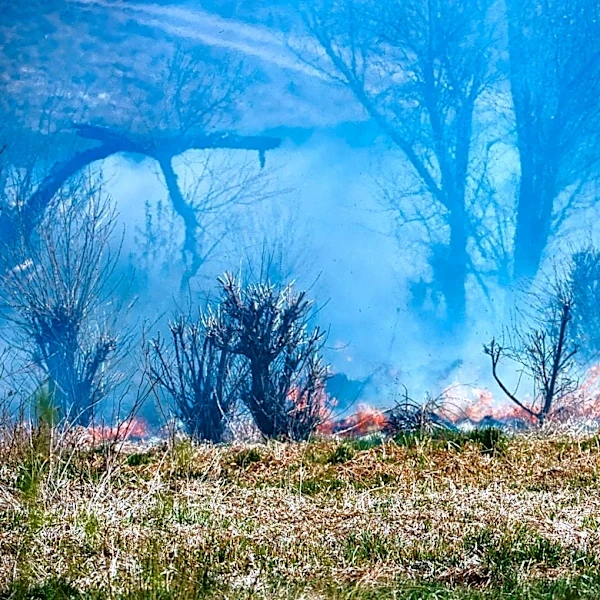
of the driest and warmest starts to spring on record, with Extreme Drought conditions affecting 36% of the Arkansas-Red Basin. The drought has led to significant agricultural challenges, with some South Texas farmers halting operations due to worsening conditions and low commodity prices. Reservoir levels have plummeted, with Lake Corpus Christi and Choke Canyon Reservoir falling below 9% capacity, marking the lowest levels on record. The drought has also heightened wildfire risks, with over 1.1 million acres burned across the High Plains by late March.
Why It's Important?
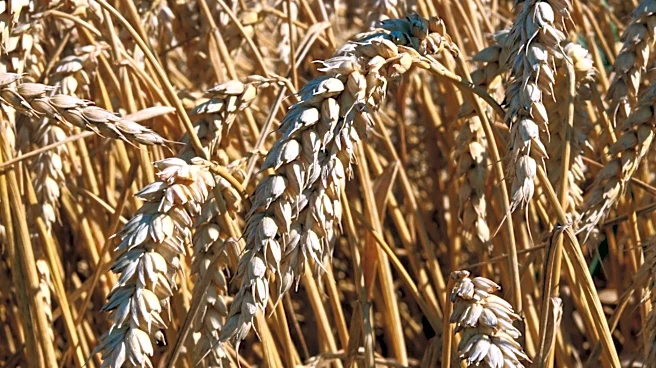
The return of exceptional drought conditions in the Texas Panhandle and western Oklahoma poses significant threats to agriculture, water resources, and public safety. The agricultural sector, particularly in South Texas, is facing severe stress, with winter wheat and oat crops heavily impacted. This could lead to economic losses for farmers and increased food prices. Water shortages are exacerbating the situation, with critical reservoirs at record low levels, potentially affecting water availability for millions. The heightened wildfire risk further endangers communities and ecosystems, necessitating increased firefighting resources and preparedness. These conditions underscore the vulnerability of the region to climate variability and the need for sustainable water management and agricultural practices.
What's Next?
Forecasts indicate that very dry conditions will persist across western parts of the Arkansas-Red Basin, while some eastern areas may receive rainfall relief. The NOAA outlook suggests above-normal temperatures and below-normal precipitation for parts of western Kansas and the Oklahoma and Texas Panhandles through June. This ongoing drought could prompt state and federal agencies to implement water restrictions and provide support to affected farmers. Long-term strategies may include investing in drought-resistant crops and improving water conservation measures. The situation also calls for increased monitoring and research to better understand and mitigate the impacts of such extreme weather events.