





What's Happening?
The United States and Iran are revising a preliminary agreement from June, focusing on reopening the Strait of Hormuz. The new terms aim to establish a framework for a permanent ceasefire and ensure the strait remains open for international shipping.
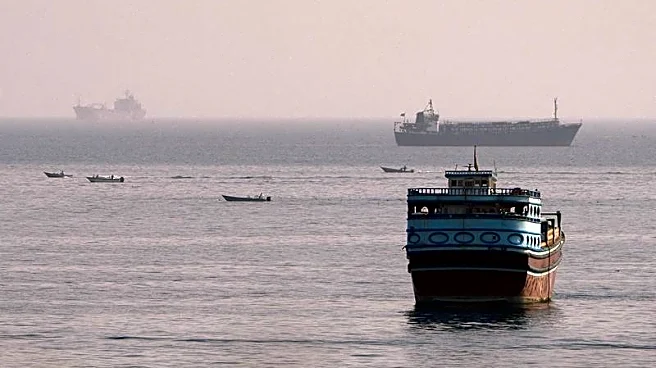
Pakistan is mediating the talks, with Qatar and Oman also involved. The proposed arrangement includes using separate lanes for inbound and outbound traffic through Iranian and Omani waters, respectively. The discussions follow previous hostilities that disrupted oil tanker movements in the region.
Why It's Important?
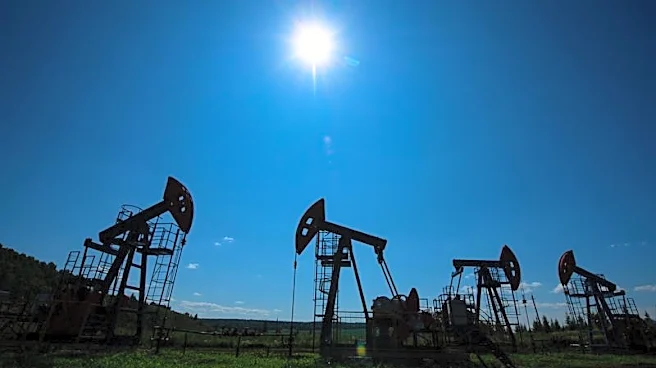
The Strait of Hormuz is a critical chokepoint for global oil supplies, and its stability is vital for international energy markets. The negotiations between the US and Iran could lead to a significant de-escalation of tensions in the region, benefiting global trade and economic stability. However, the talks face challenges, including Iran's demands for tolls on shipping and the US's insistence on keeping all sea lanes open. The outcome of these negotiations could have far-reaching implications for regional security and international relations.
What's Next?
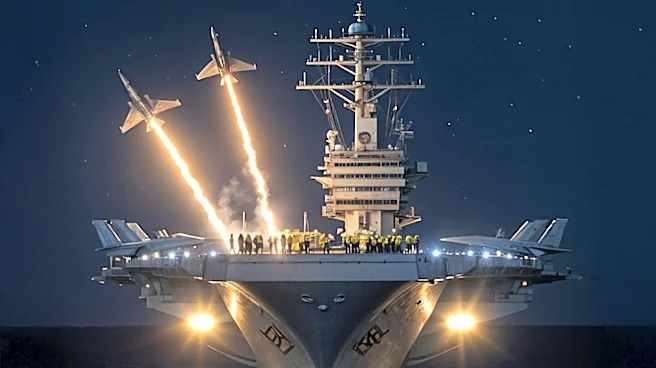
The success of the negotiations will depend on the willingness of both parties to compromise and address each other's concerns. If an agreement is reached, it could pave the way for improved diplomatic relations and reduce the risk of military conflict. However, any setbacks could lead to renewed hostilities and further disruptions in the region. The international community will be closely monitoring the situation, given its potential impact on global energy supplies and geopolitical stability.