




What's Happening?
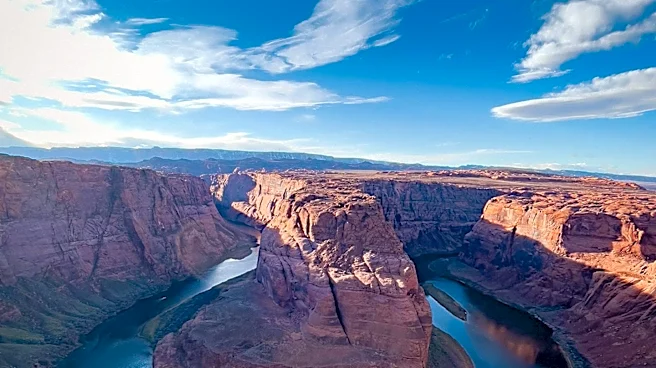
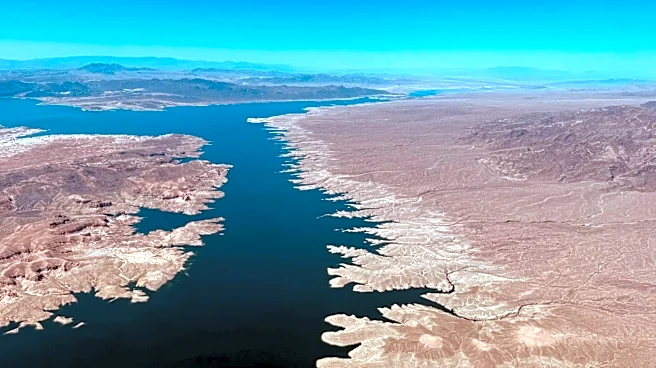
The Bureau of Reclamation has published the Final Environmental Impact Statement (EIS) for future operations of the Colorado River, focusing on Lake Powell and Lake Mead. This EIS outlines a preferred adaptive management framework to ensure reliable operations while
allowing flexibility to respond to changing hydrologic conditions through 2036. The framework includes operational sideboards for water releases and storage, aiming to balance environmental compliance with innovative water management solutions. The EIS is the result of extensive stakeholder engagement and public input, reflecting over 18,000 comments received during the draft phase.
Why It's Important?
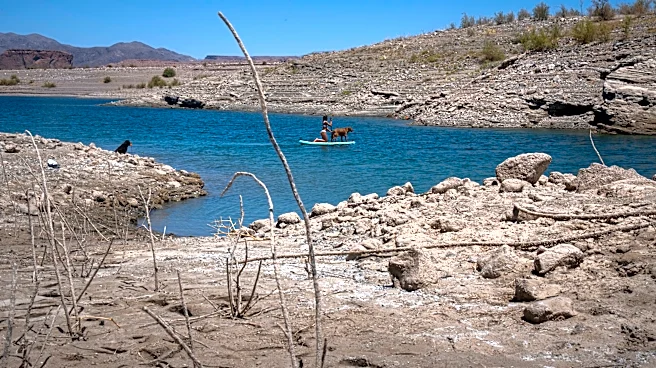
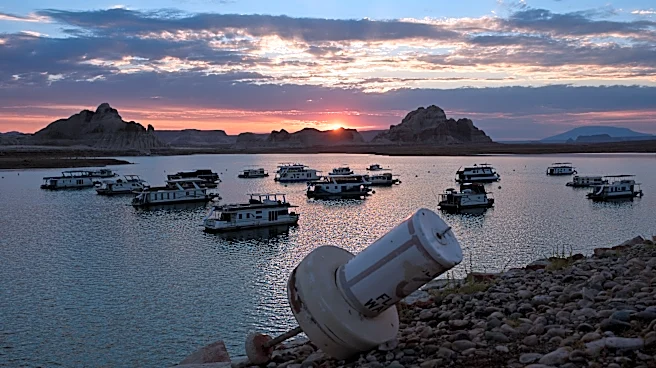
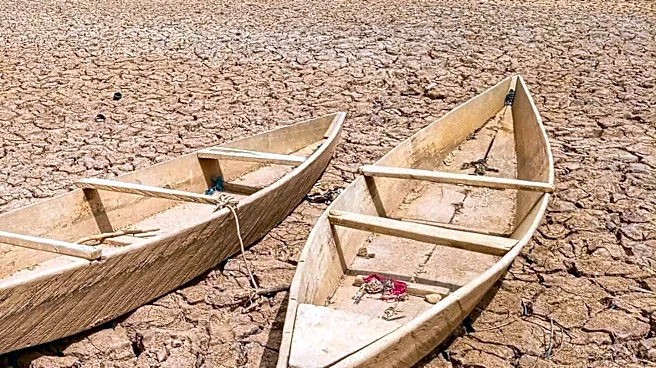
The Colorado River is a critical water source for over 40 million people across seven U.S. states and two Mexican states, supporting agriculture, hydropower, and ecosystems. The new management framework is vital for addressing ongoing drought conditions and ensuring sustainable water use. By establishing clear operational guidelines, the framework aims to provide stability and predictability for water users while preserving the flexibility to adapt to future challenges. This approach is crucial for maintaining the river's viability amid climate change and increasing demand.
What's Next?
The Department of the Interior will issue operating guidelines within the established sideboards, with updates anticipated every two years unless consensus-based agreements extend the duration. The framework also allows for continued collaboration with Mexico on water deliveries, ensuring compliance with international treaties. As the framework is implemented, stakeholders will need to monitor its effectiveness in addressing water shortages and environmental impacts, potentially leading to further adjustments or innovations in water management practices.