

What's Happening?
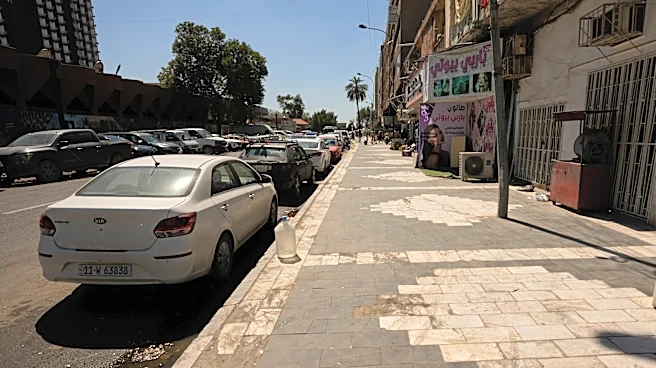
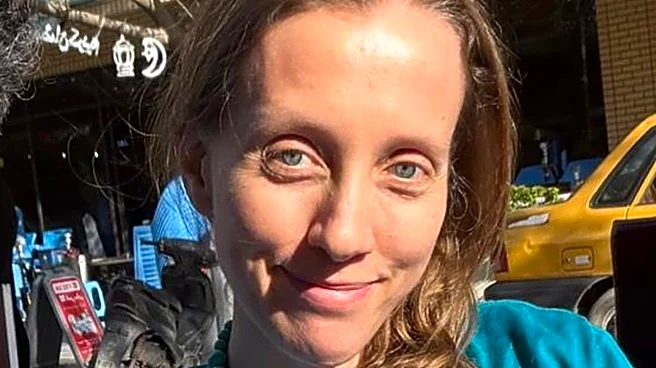
American freelance journalist Shelly Kittleson has been abducted in Baghdad, Iraq, according to the country's Interior Ministry. The abduction occurred near the Baghdad Hotel on Saadoun Street, and Iraqi security forces are actively searching for her.
The State Department has confirmed the kidnapping and is collaborating with Iraqi authorities to secure her release. A suspect with ties to the pro-Iranian militia Kataib Hezbollah has been detained. Kittleson, known for her reporting from conflict zones, had been warned by the U.S. government about potential threats prior to her travel to Iraq.
Why It's Important?
The abduction of Shelly Kittleson highlights the ongoing risks faced by journalists working in conflict zones, particularly in regions with active militant groups. This incident underscores the challenges of ensuring the safety of foreign correspondents and the complexities involved in negotiating their release. The involvement of Kataib Hezbollah, a group with a history of hostility towards Western interests, adds a layer of geopolitical tension to the situation. The U.S. government's response and its ability to secure Kittleson's release will be closely watched, as it may impact diplomatic relations and future policies regarding journalist safety abroad.
What's Next?
Efforts to locate and rescue Shelly Kittleson are expected to intensify, with the U.S. and Iraqi governments coordinating closely. The situation may prompt discussions on enhancing protections for journalists in conflict zones and revisiting travel advisories. The outcome of this case could influence future U.S. diplomatic strategies in the region, particularly in dealing with militias like Kataib Hezbollah. Additionally, the incident may lead to increased scrutiny of the safety protocols for journalists and the responsibilities of media organizations in high-risk areas.