

What's Happening?
Panama observes its national holidays across the month of November, with specific dates dedicated to significant historical events. These celebrations include November 3rd, marking independence from Colombia; November 4th, Patriotic Symbols Day; November 5th,
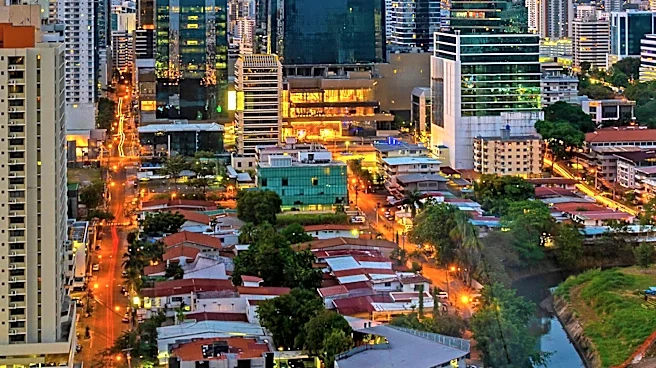
commemorating the separation of Colón and the consolidation of Panama's sovereignty; November 10th, recognizing the first cry of independence in La Villa de los Santos; and November 28th, celebrating independence from Spain. These dates collectively honor the nation's journey to autonomy and its establishment as an independent country. The month-long observance provides opportunities for both residents and expatriates to engage with Panamanian culture through parades, traditional music, and local customs. Panama City hosts parades along emblematic routes like Avenida Balboa, while rural areas such as Las Tablas and Chitre are noted for their deep connection to traditions, featuring elaborate costumes like the pollera and traditional musical performances.
Why It's Important?
The extensive celebration of national holidays in Panama during November is significant as it reinforces national identity and cultural heritage. For Panamanians, these holidays are a period of reflection on their history and a demonstration of national pride, fostering unity across different regions. For expatriates and international businesses operating in Panama, understanding and respecting these national observances is crucial for cultural integration and business operations. The concentration of holidays in one month can lead to multiple non-working days, impacting business schedules and offering extended periods for domestic tourism. This cultural emphasis also highlights Panama's unique historical narrative, distinguishing it from other nations that typically spread their national commemorations throughout the year. The vibrant cultural displays, particularly in traditional towns, serve as a draw for cultural tourism, contributing to local economies.
What's Next?
As November approaches each year, Panama will continue its tradition of celebrating these national holidays with parades, cultural events, and public observances. Residents and visitors can anticipate widespread patriotic displays, including traditional music and dance, particularly in culturally rich areas like the Azuero Peninsula. Businesses and government offices will likely observe closures on the official holiday dates, requiring advanced planning for both local and international entities. The tourism sector will likely prepare for an influx of domestic travelers seeking to experience the cultural festivities or enjoy quieter getaways in destinations like San Blas or Bocas del Toro. Educational institutions will also participate, with many schools organizing their own parades, ensuring that younger generations connect with their national customs and history.
Beyond the Headlines
The unique concentration of national holidays in November in Panama reflects a deeply intertwined historical narrative, where several pivotal events leading to the nation's independence and consolidation occurred within the same month. This clustering of commemorations goes beyond mere coincidence, highlighting a continuous struggle and eventual triumph in establishing national sovereignty. The elaborate cultural expressions, such as the pollera and traditional music, are not just festive displays but living symbols of Panamanian identity and resilience. These traditions serve as a powerful educational tool, transmitting historical memory and cultural values across generations. Furthermore, the way these holidays are celebrated, from grand parades in the capital to deeply rooted folk traditions in rural towns, showcases the diverse cultural fabric of Panama and its commitment to preserving its unique heritage in an increasingly globalized world.