






What's Happening?
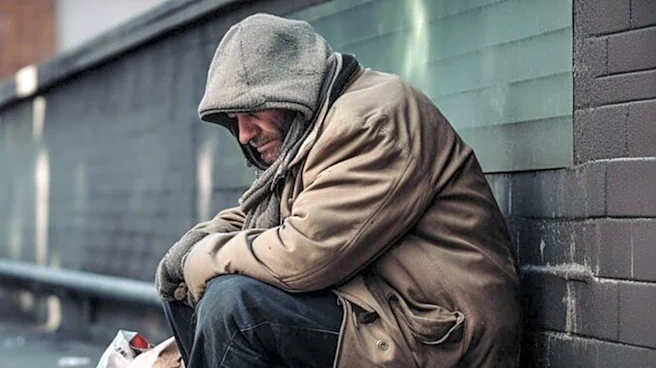
Jadon Lukas, a 26-year-old psychology student in Australia, has been compelled to live in his car since July due to the escalating cost of living, particularly a significant increase in rent. He is currently surviving on approximately $10 a day for food
while pursuing his degree. Lukas, who receives $750 fortnightly through the federal government's Austudy payment, states this income is insufficient to cover the rising housing and grocery costs on the Gold Coast. A $200 rent increase made a share house unaffordable, and even rooms in student accommodation are priced between $350-$400, which he finds unsuitable. His meals often consist of tinned tuna, microwave rice, and fruit, with service stations serving as his makeshift kitchen. Despite the challenges, Lukas is committed to completing his psychology degree, which demands 50-60 hours of study per week, making it impossible for him to take on a job.
Why It's Important?
This situation highlights the severe impact of Australia's cost of living crisis on its student population, threatening the country's global education competitiveness. The inability of students to afford basic necessities like housing and food, even with government assistance, points to systemic issues within the housing market and broader economic pressures. The crisis could deter prospective international and domestic students, affecting the education sector's revenue and the availability of skilled labor in the future. The struggle faced by individuals like Lukas underscores the growing disparity between income and living expenses, raising questions about the adequacy of social welfare programs and the sustainability of current housing policies. The crisis also brings to light the social implications of housing unaffordability, as individuals are forced into precarious living situations, impacting their well-being and academic performance.
What's Next?
The immediate future for students like Jadon Lukas involves continued adaptation to challenging living conditions, with Lukas planning to live in his car for at least another two months. The broader implications suggest that if current trends persist, more students may face similar predicaments, potentially leading to increased homelessness among the student population. This could prompt calls for government intervention, such as increased student welfare payments, rent control measures, or initiatives to boost affordable housing options. Universities might also need to re-evaluate their support systems for students, including on-campus housing and financial aid. The ongoing debate around housing affordability in Australia, as noted by the discussion around falling house prices being framed as another crisis, indicates a complex policy environment where solutions are not straightforward and may face resistance from various stakeholders.
Beyond the Headlines
The plight of students like Jadon Lukas reveals a deeper societal issue beyond mere economic hardship: the erosion of the social contract that promises access to education and a reasonable standard of living. The fact that a dedicated student, despite receiving government aid, cannot afford basic housing points to a fundamental breakdown in affordability. This situation can have long-term psychological and social consequences, including increased stress, mental health challenges, and a potential decline in academic achievement for those affected. It also raises ethical questions about the responsibility of educational institutions and the government to ensure that pursuing higher education does not lead to homelessness. The crisis could also exacerbate social inequalities, as students from lower socioeconomic backgrounds may be disproportionately affected, further limiting their opportunities for upward mobility and contributing to a less diverse and inclusive higher education system.