


What's Happening?
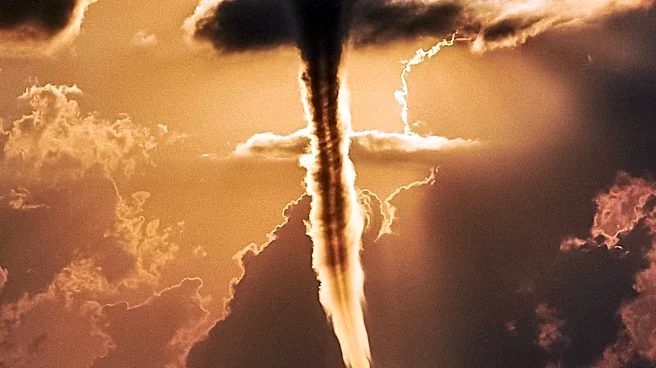
The Bay Area recently experienced unusual severe weather, including dramatic dual waterspouts near Candlestick Point and a tornado warning in Santa Cruz County. According to John Monteverdi, a PhD and SFSU Emeritus Professor of Meteorology and severe weather researcher,
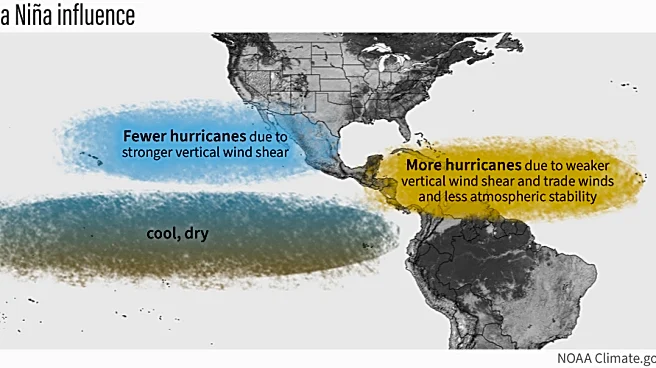
these events are likely linked to warmer ocean and air temperatures associated with a very strong El Niño. Monteverdi noted that some of the Bay Area's most significant tornado events, such as the Sunnyvale tornado in May 1998, also occurred during periods of warmer-than-average bay and ocean temperatures coinciding with El Niño conditions. He suggests that this year could see more active severe weather, including an increased likelihood of waterspouts and tornado-producing storms.
Why It's Important?
The occurrence of waterspouts and tornado warnings in the Bay Area, a region not typically known for frequent severe weather of this nature, signals a potential shift in local weather patterns. This could have significant implications for public safety, infrastructure, and emergency preparedness. Residents and local authorities may need to adapt to a higher frequency of severe weather events, requiring updated emergency plans, public awareness campaigns, and potentially enhanced weather monitoring systems. The link to El Niño and warmer ocean temperatures also highlights the broader impact of climate phenomena on regional weather, suggesting that such events might become more common in future strong El Niño years. This could lead to increased insurance claims and costs for property damage.
What's Next?
Given the current strong El Niño and warmer ocean temperatures, the Bay Area may experience a more active severe weather season than usual, with an increased potential for waterspouts and tornado-producing storms. Local weather services and emergency management agencies will likely heighten their monitoring and public communication efforts. Residents should remain vigilant and prepared for sudden weather changes, including potential tornado warnings and other severe weather advisories. Further research into the specific atmospheric and oceanic conditions contributing to these events could lead to improved forecasting models for the region. The long-term implications may involve reassessing building codes and urban planning to better withstand such weather phenomena.
Beyond the Headlines
The recent severe weather in the Bay Area, particularly the rare occurrence of dual waterspouts and tornado warnings, underscores the complex interplay between global climate patterns like El Niño and localized weather phenomena. This situation prompts deeper questions about how climate change might be influencing the intensity and frequency of such events in regions historically less prone to them. It also highlights the importance of interdisciplinary research combining oceanography and meteorology to better understand and predict these occurrences. The psychological impact on communities experiencing unfamiliar severe weather, coupled with the need for enhanced public education on tornado and waterspout safety, represents a significant societal challenge. This could also spur technological advancements in localized weather prediction and early warning systems.