




What's Happening?
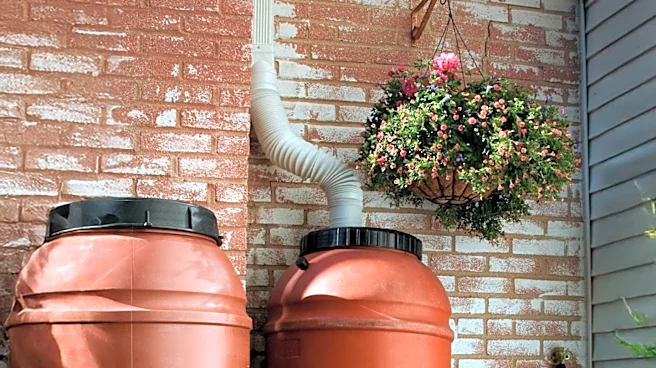
Rainwater harvesting is gaining recognition as a crucial method for sustainable water management and a tool to meet stormwater runoff reduction requirements. This technique involves collecting precipitation from surfaces and directing it into storage
containers for various uses. It offers a valuable water source, particularly for rural communities with limited access to traditional water supplies. Collected rainwater can be filtered and boiled for indoor use, though adherence to local regulations is essential. The implementation of rainwater harvesting systems can be done incrementally, allowing communities to adjust their budgets as needed. However, it is important to note that rainwater can contain contaminants from collection surfaces and the surrounding environment, necessitating proper collection design, screening, storage, and treatment to ensure its safety for intended uses. This approach is part of a broader movement towards eco-friendly plumbing, which also includes water-efficient fixtures and greywater recycling.
Why It's Important?
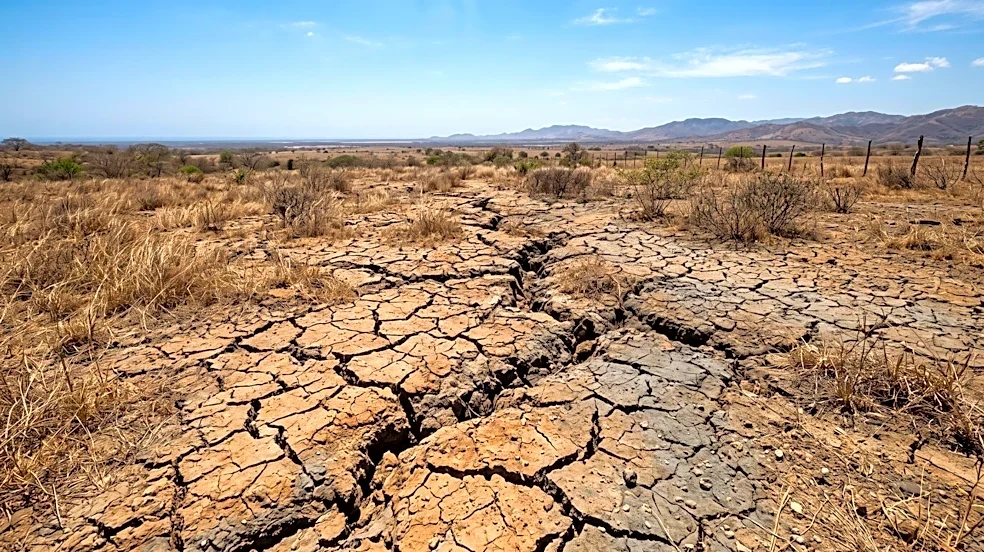
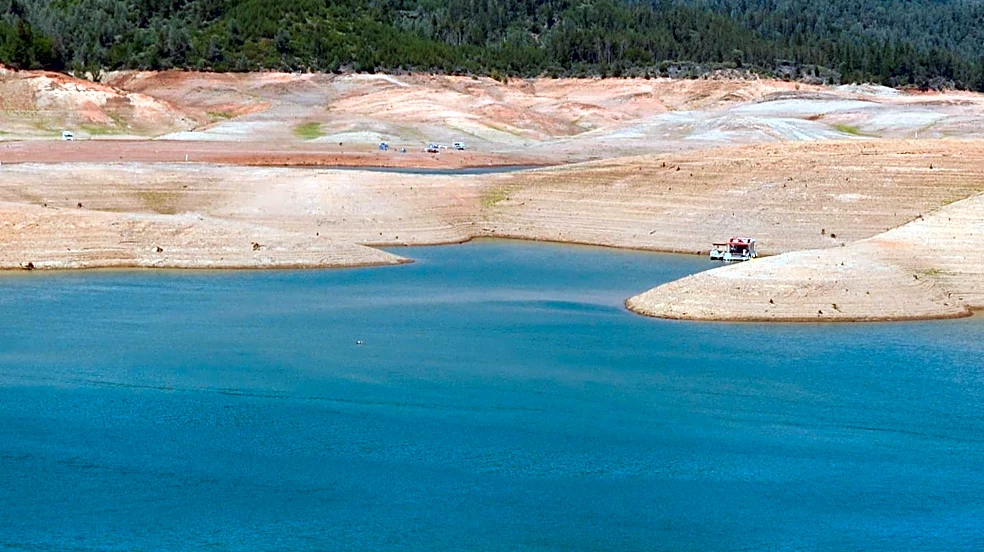
The importance of rainwater harvesting stems from its dual benefits: addressing water scarcity and managing stormwater. In many regions, water shortages are a growing concern, and by reducing reliance on municipal water supplies, rainwater harvesting directly contributes to alleviating this crisis. For households, it can lead to significant cost savings on utility bills, making it an economically attractive investment. Environmentally, minimizing water waste through such systems helps preserve local water resources and contributes to healthier ecosystems. Furthermore, as urban areas expand, the demand for water increases, making sustainable methods like rainwater harvesting vital for long-term water security. It also plays a role in reducing flooding and erosion by slowing and retaining runoff during peak storm flows, thereby mitigating environmental damage and infrastructure strain.
What's Next?
The future of rainwater harvesting likely involves increased adoption and integration into urban planning and household infrastructure. As awareness of water conservation grows, more communities and individuals are expected to explore and implement these systems. There will be a continued focus on developing more efficient and cost-effective collection, filtration, and storage technologies. Regulatory frameworks may evolve to further encourage or mandate rainwater harvesting, especially in areas prone to water scarcity or heavy rainfall. Educational initiatives will also be crucial to inform the public about proper installation, maintenance, and safety protocols for using harvested rainwater, particularly for potable purposes. Additionally, the integration of rainwater harvesting with other sustainable practices, such as greywater recycling and smart irrigation systems, is anticipated to create more comprehensive water management solutions.
Beyond the Headlines
Beyond its immediate practical benefits, rainwater harvesting signifies a broader shift towards decentralized and resilient water systems. It empowers communities and individuals to take greater control over their water resources, fostering a sense of self-sufficiency and reducing vulnerability to centralized infrastructure failures or environmental shocks. Ethically, it promotes a more responsible stewardship of natural resources, recognizing water as a finite and precious commodity. Legally, the varying local regulations surrounding rainwater harvesting highlight the ongoing challenge of balancing individual water rights with broader public health and environmental concerns. Culturally, the practice can revive traditional knowledge of water management and foster a deeper connection between people and their local environment, encouraging a more sustainable lifestyle that values conservation and resourcefulness.