



What's Happening?
A study from Kansas State University has linked the recent increase in gas prices to ongoing tensions in the Middle East. The analysis, conducted by agricultural economist Gregg Ibendahl, suggests that political instability in oil-producing regions is causing
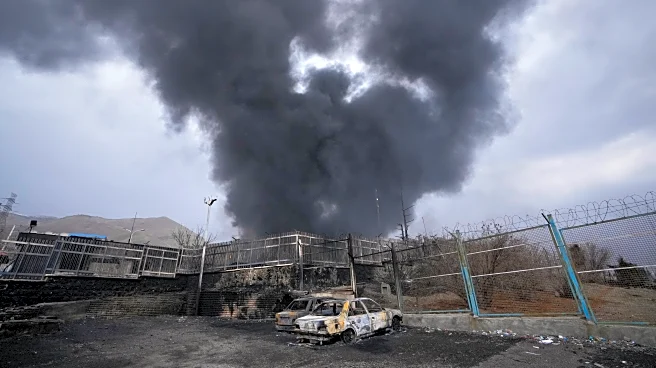
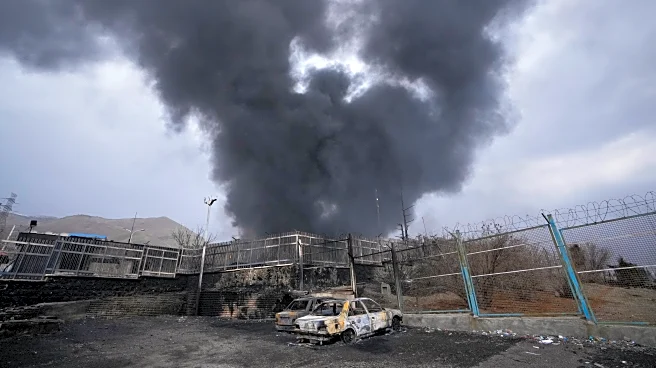
fluctuations in global oil markets. The study highlights that recent airstrikes in Iran and military tensions have led to an 8% increase in crude oil futures, which is expected to translate into higher gasoline prices in the U.S. The research indicates that gasoline prices could rise to approximately $3.10 to $3.16 per gallon in the coming weeks.
Why It's Important?
The findings from Kansas State University underscore the impact of geopolitical events on domestic fuel prices and the broader U.S. economy. As gas prices rise, consumers and industries reliant on fuel may face increased costs, affecting economic stability and growth. The study highlights the importance of understanding the interconnectedness of global markets and the need for strategies to mitigate the impact of international conflicts on domestic energy prices. This situation may prompt discussions on energy policy and the need for diversified energy sources to reduce dependency on volatile regions.
What's Next?
In light of the study's findings, policymakers and industry leaders may explore measures to stabilize fuel prices and protect consumers. This could include strategic releases from oil reserves, increased domestic production, or investments in alternative energy sources. The situation may also lead to discussions on energy security and the need for international cooperation to ensure stable energy supplies. As tensions in the Middle East continue, stakeholders will closely monitor developments and adjust strategies to mitigate economic impacts.