





What's Happening?
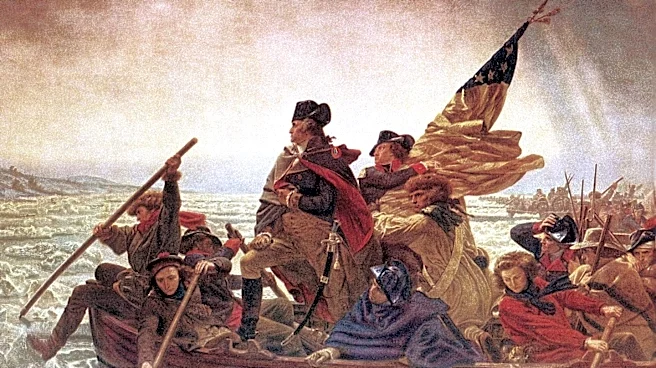
During the American Revolution, the city of Lancaster, Pennsylvania, briefly served as the United States capital for a single day on September 27, 1777. This occurred when leaders of the nascent nation fled Philadelphia due to the advancing British forces.
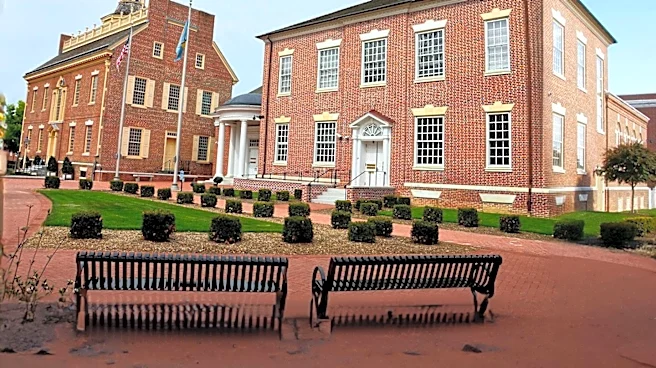
The Second Continental Congress, after receiving a dire warning from Lieutenant Colonel Alexander Hamilton about the imminent threat to Philadelphia, made an early morning exodus from the city. Over the course of a week, more than two dozen delegates traveled west to Lancaster, bringing with them important government records. They convened in Lancaster's courthouse for a few hours to discuss routine matters related to the ongoing war with Great Britain. The delegates quickly decided to relocate further west to York, across the Susquehanna River, realizing that Lancaster was still too accessible to the British. This brief period marks Lancaster as one of only nine American cities to have held the title of U.S. capital, albeit for a very short duration.
Why It's Important?
Lancaster's one-day tenure as the U.S. capital highlights the precarious and mobile nature of the early American government during the Revolutionary War. It underscores the constant threat posed by British forces and the strategic decisions made by the Continental Congress to ensure its continuity and safety. The event also illustrates the logistical challenges faced by the fledgling nation, as delegates undertook circuitous routes to avoid detection and transport vital documents. While seemingly insignificant at the time, this historical episode contributes to the unique narrative of American governance and resilience. It also provides a point of local pride for Lancaster, which now commemorates this event annually, connecting its present community to a pivotal moment in national history and emphasizing its role in sheltering the government during a critical period.
What's Next?
Lancaster continues to commemorate its historical role with an annual 'Capital Day' celebration. This year's event is scheduled for September 26, the day before the 249th anniversary of its time as the capital. The celebration typically includes walking tours highlighting the city's history, trivia matches, costume contests, and a parade. These activities aim to engage the community and educate the public about Lancaster's unique place in American history. The ongoing commemoration ensures that this brief but significant historical event remains a part of the city's identity and a point of interest for residents and visitors alike, fostering a connection to the nation's founding struggles and the resilience of its early leaders.
Beyond the Headlines
The story of Lancaster's one day as capital offers a deeper insight into the psychological and strategic aspects of warfare during the American Revolution. The decision to move the capital, first to Lancaster and then quickly to York, reflects the understanding that capturing the enemy's capital was a significant symbolic and strategic victory. This constant movement of the government demonstrates the vulnerability of the Continental Congress and its determination to avoid capture, which would have been a devastating blow to the American cause. Furthermore, the event sheds light on the broader societal impact of the war, as patriots fled Philadelphia to safer inland cities like Lancaster, causing overcrowding and resource strain. The Congress's resolution to seize supplies from 'disaffected and equivocal characters' also reveals the internal divisions and challenges of maintaining unity and support for the war effort among the populace, highlighting that not all residents were ardent patriots.